Teaser Trailer for Park Chan-wook's New Movie No Other Choice

As a big fan of both Park Chan-wook and Lee Byung-hun, it should come as no surprise that No Other Choice is my most anticipated film of 2025 (or 2026 if it doesn’t get released in the UK this year).

The Story

Park’s new movie is based on the book "The Axe" by Donald Westlake, in which a man desperate to gain employment goes around slaughtering his competitors. The book was released in the 1990s, and Park actually announced that he was going to adapt it at the Busan International Film Festival in 2009. Many projects have come in between, but it is clear that Park wanted to get his adaptation just right, claiming that he wanted "to make this film as my masterpiece.", and I believe (judging by this trailer) that the many years it has taken to complete the film have worked in the director’s favour.

Also, it must be said that the thematic nature of No Other Choice feels very eerie given the current job market. We’re in what is dubbed “Late Stage Capitalism”, and if you couple that instability-ridden system with the interference of AI, jobs are getting much harder to secure. Are we gonna start seeing unhinged nutters scouring LinkedIn profiles and using them as assassination checklists? Probably not, but that’s what will make this film so compelling because it will more than likely tell the story of an everyman pushed to the very brink to provide for his family. And that, my friends, is a subject matter so rich in terms of character development and psychological analysis. I truly believe Park will have the skills as the master storyteller he is to navigate a fascinating and heartbreaking story like this.

The Cast

Obviously, I am a massive Lee Byung-hun fan - according to Letterboxd, I’ve seen 16 of his movies, which doesn’t seem like much, but in reality, it’s still quite tricky to watch Korean movies in the UK.

But enough about Lee, what about the rest of the cast?

Son Ye-jin, I loved her in Something in the Rain, which is one of my all-time favourite Korean dramas. Park Hee-soon was an absolute scene stealer in My Name. Yoo Yeon-seok had a brief appearance in Oldboy and shared the screen with Lee Byung-hun in the brilliant historical melodrama Mr Sunshine, so I’m very much looking forward to his performance in this, too.

Cinematography and other choices

Stylistically No Other Choice feels very much like an amalgamation of every Park directed film and TV show out there. It’s the work of a master who has refined his style over the years. From the trailer you can grasp hints of Stoker in the sound design, the vengence trilogy in the stylish violence, the rich colour paletted interior designs of Decision to Leave and The Handmaiden, the oddball quirkiness of I’m a Cyborg, But that’s ok (like why is Lee shimmying through a dancefloor of people dressed as napoleon or conceling a gun under several oven gloves?!)

Film Review: Darren Aronofsky's The Whale

The Whale is directed by Darren Aronofsky and stars Brendan Fraser, Sadie Sink and Hong Chou. The film follows morbidly obese English Teacher Charlie as he reconnects with his estranged daughter. It is based on the play of the same name written by Samuel D. Hunter, who also wrote the screenplay.

It goes without saying that The Whale is led by a tour de force performance from Brendan Fraser. He inhabits the role of Charlie completely, and through him, we see so much sorrow and tenderness that the film just becomes so emotionally overwhelming. There are scenes nearly impossible to watch, namely the binge eating scenes, which is triggering for anyone who has suffered from not only binge eating but any sort of addiction.

It’s also heartbreaking to watch him interact with his daughter and the defensive cruelty that comes with each interaction and then the deep love his friend and nurse Liz has for him, which is bogged down by shared past trauma and the very one-sided nature of their relationship. These complex performances from Sadie Sink and Hong Chou add a whole other dramatic texture to the film and also add to the agony of Charlie’s spiralling despair.

I need to know that I have done one right thing with my life!

The choice to use a 4:3 ratio powerfully reflects the claustrophobia of the setting and the protagonist's psyche; in essence, Charlie is trapped in his apartment and in his body. Furthermore, the use of such a dark and gloomy colour palette only heightens this oppressive framing to make the film both thematically and visually heavy.

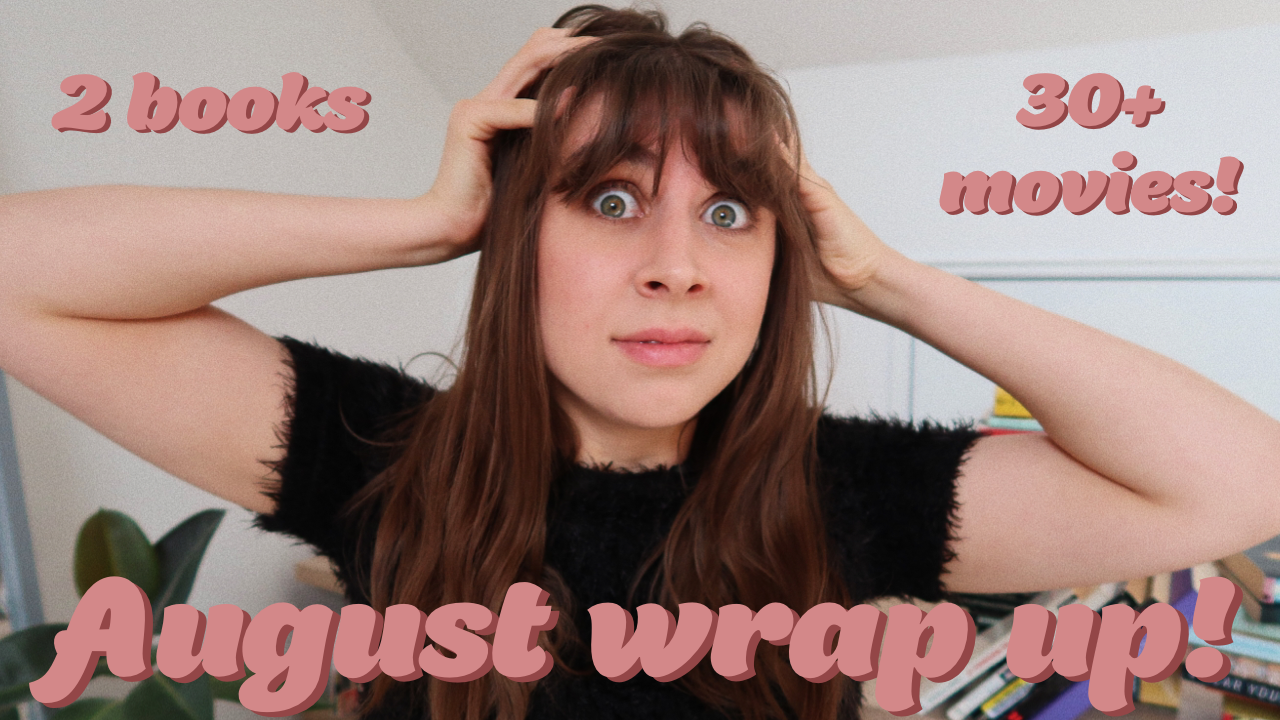
August Wrap Up: Books & Movies

So I watched more than 30 movies in August, in my defence some were short films so… but tbh I had a blast so I don’t really need to excuse myself. Cinema is one of my biggest passions and from time to time I’ll get completely consumed by it and thats kind of what happened this past month.

Find out what films and books I read in August:

Directors I Admire Part II

This blog post is a sequel to a post I wrote last year or the year before about film directors who inspire me (Check out Part I here). Naturally, I have discovered and watched many more “new” (only in the sense that I had not watched their films before) directors since that list, so I felt like it was time to revisit the concept. There will probably be a Part III so stay tuned for that whenever it drops lol.

Steve McQueen

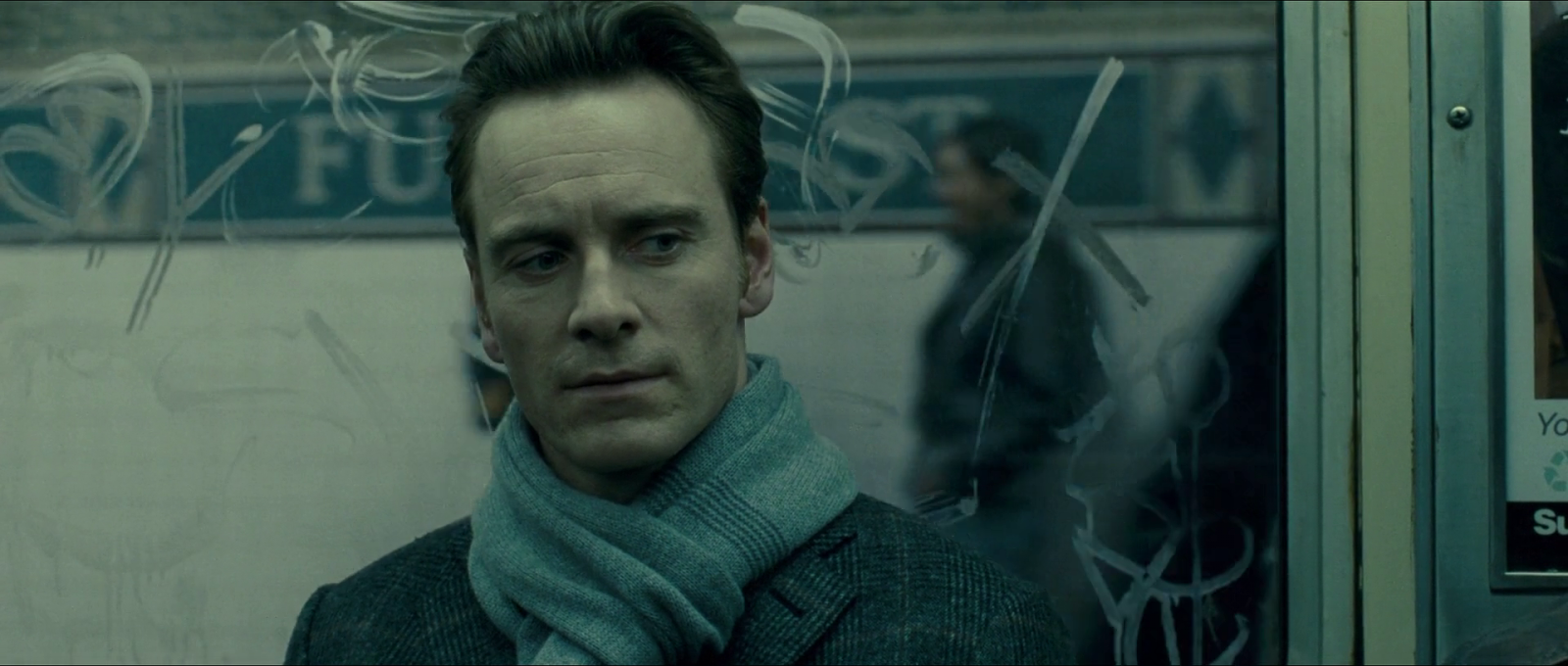
Originally a video artist, McQueen broke into the film industry with his impressive feature-length debut Hunger, a harrowing tale of Bobby Sands a member of the IRA who went on a hunger strike and ultimately died while in prison. But for me, it was Shame that made me really take notice of his talent. Once again starring Michael Fassbender, Shame tells the story of a sex addict who’s meticulous lifestyle is interrupted by the reappearance of his bold and lively sister. And of course, it would be impossible to not mention 12 Years A Slave, which is honestly one of the most excruciating and powerful films I have ever watched.

I haven’t actually seen McQueen’s Small Axe anthology series which is available on BBC iPlayer (UK) and Amazon (Everywhere else?) but I’m sure I will shortly.

Thomas Vinterberg

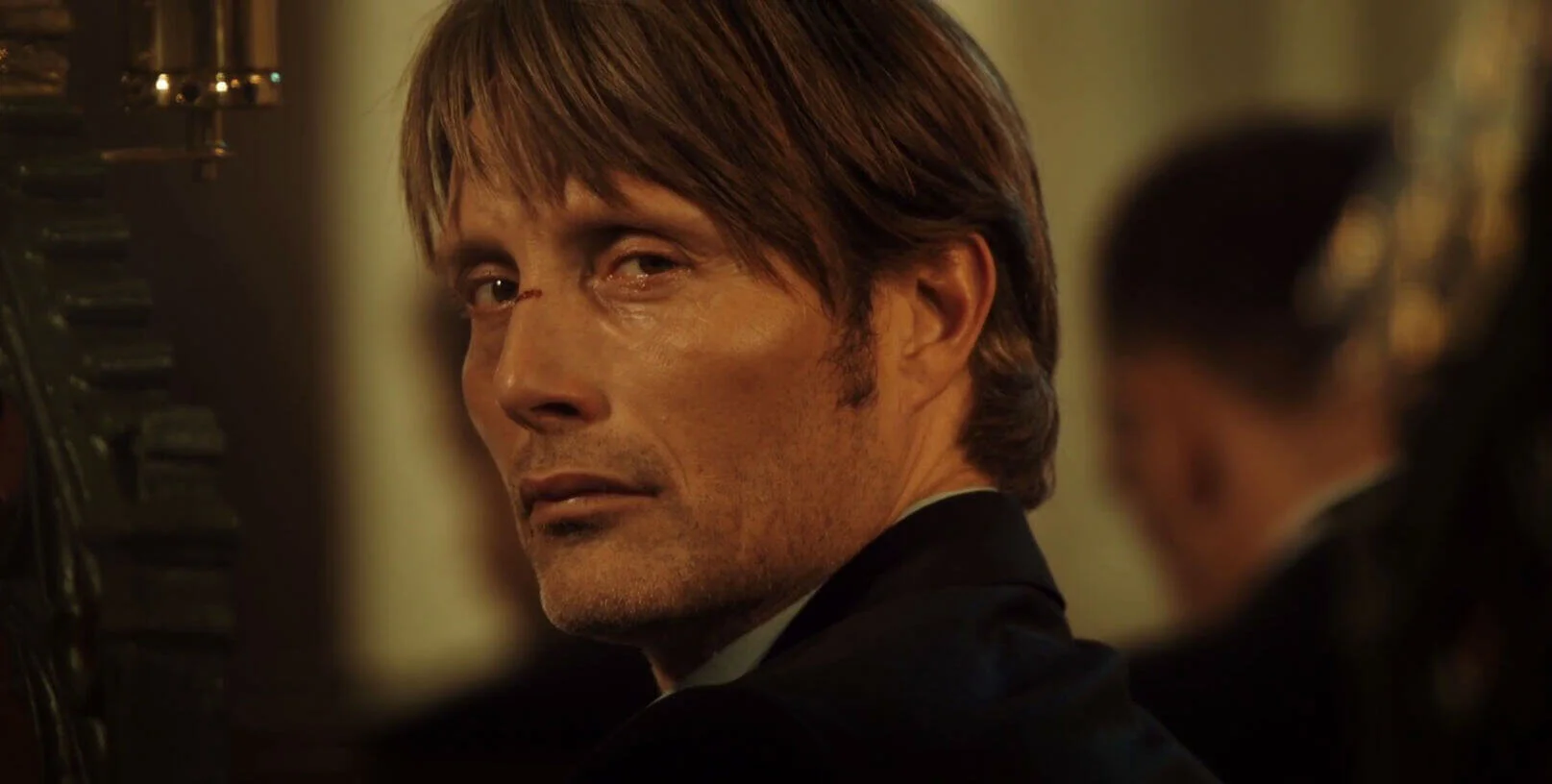
Vinterberg is a Danish director and was responsible for co-creating the Dogma-95 movement alongside Lars Von Trier (another Danish auteur that I think is brilliant). The ten rules of Dogma were created to strip back filmmaking and make it simple and honest. Out of those rules, Vinterberg created his breakout film Festen (The Celebration) which won the Jury Prize at Cannes in 1998 and many other awards. Vinterberg has since shed the dogma doctrine and has gone on to make some phenomenal films, but there is still that sense of purity that remains in his filmmaking which I think is one of the reasons why I like his films so much. It’s safe to say that I am very much looking forward to his next film Druk (Another Round) on which he reunites with his Jagten (The Hunt) lead actor Mads Mikkelsen (TBH I will watch anything Mads is in 😍but that’s beside the point as I think this film could be Vinterberg’s magnus opus!).

David Fincher

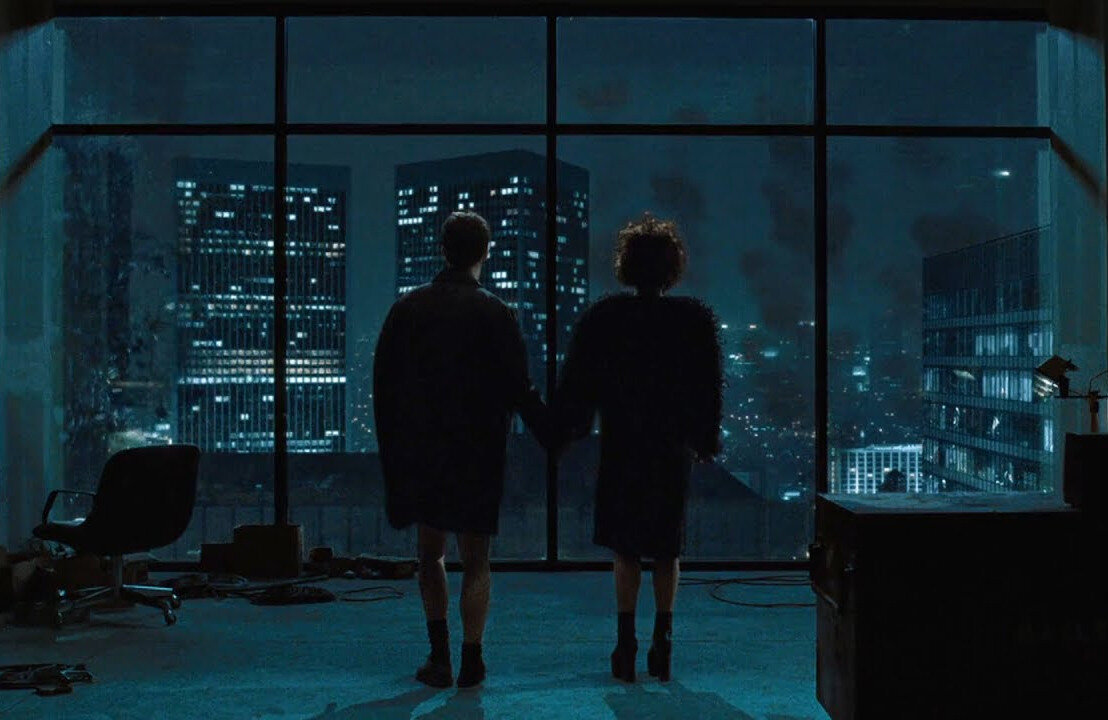
Fight Club is one of my favourite films and its one that you can return to over and over again. And despite being a complete bibliophile, I actually think the film is better than the book it was based on, sacrilege I know! I have watched most of Fincher’s other films and have enjoyed them, but Fight Club stands out from the rest of them, for me anyway.

Luca Guadagnino

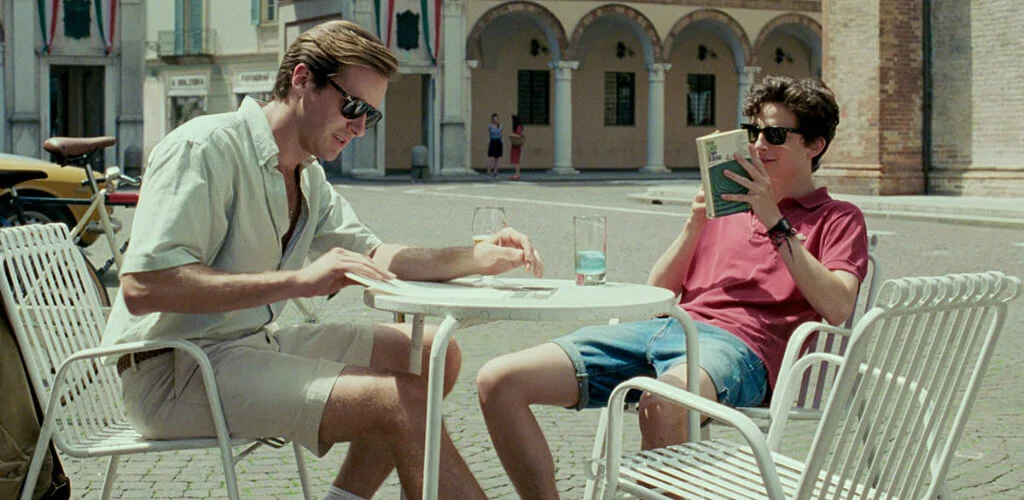
Guadagnino creates gorgeous looking films just watch any of his most recent efforts: Call Me By Your Name, A Bigger Splash or Suspiria, and it’s obvious why he would inspire anyone. But for me, it was particularly CMBYN that made me really interested in his work, I love the mood he creates in the film, he shoots Italy most beautifully, and it makes me nostalgic for a time and place I never have and will never be.

Barry Jenkins

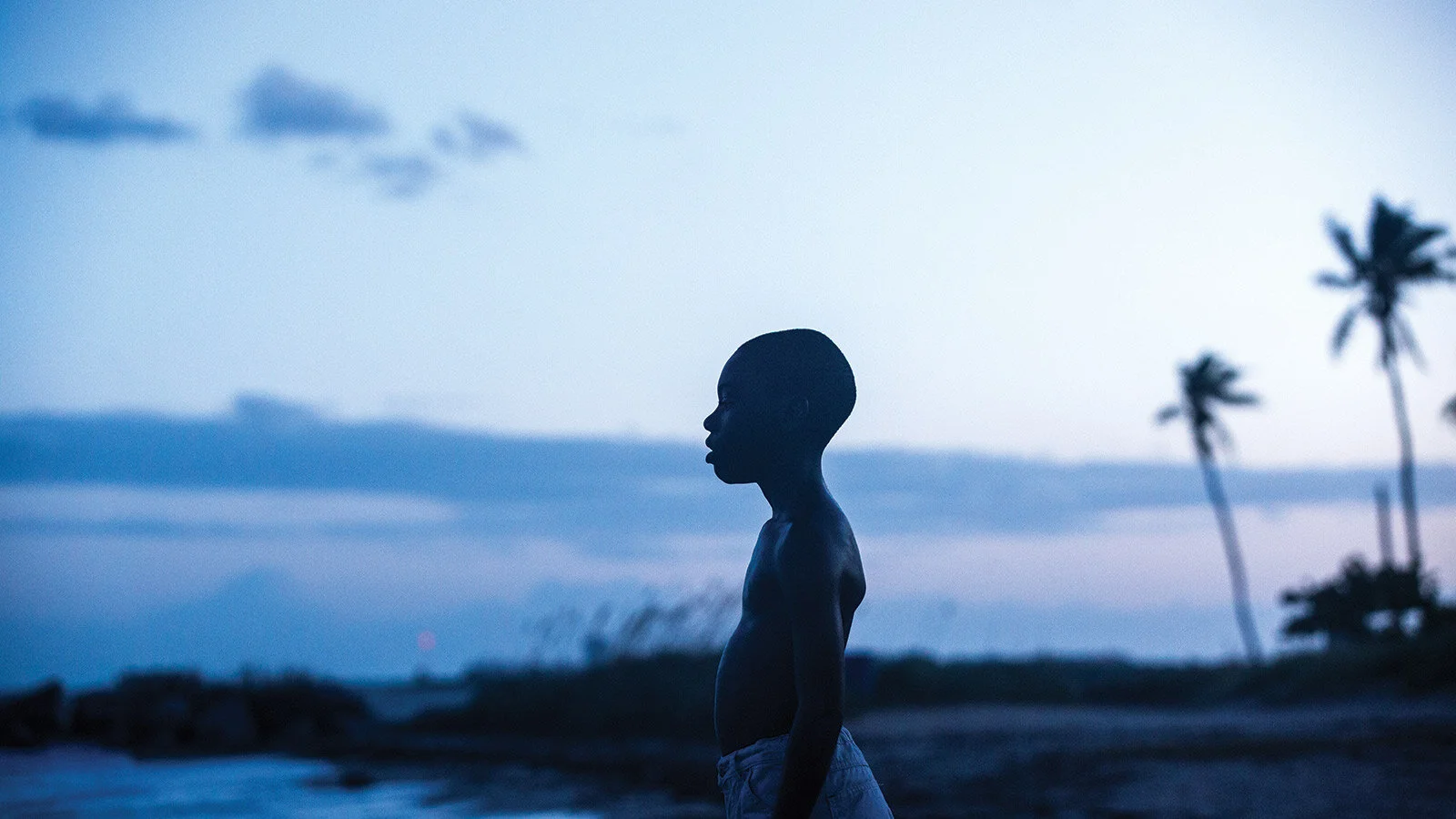
Barry Jenkins came onto my radar through his oscar-winning film Moonlight. It’s a powerful examination of a young man at different stages in his life coming to terms with his sexuality and what it means to be a black man in America. The film is based on a play In Moonlight Black Boys Look Blue (written by the co-writer of the film’s script) and Jenkins plays with this striking visual motif throughout the film by showing Chiron at his most vulnerable when he is in the moonlight. I am yet to watch If Beale Street Could Talk, but it is high up on my list, and I will be reading the James Baldwin novel it is based on before watching it.

Autumn de Wilde

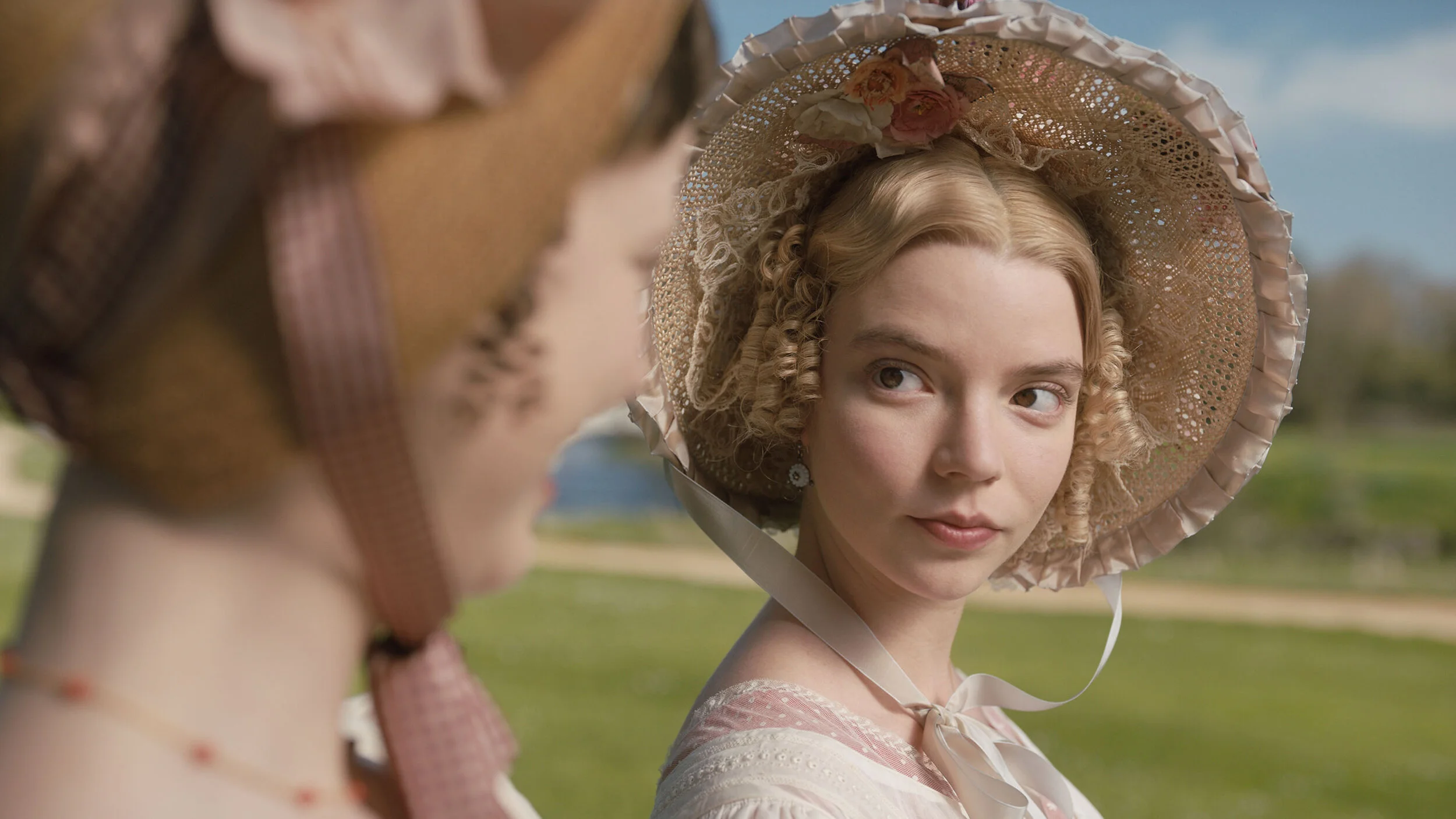
Autumn de Wilde’s Emma. is a tour de force of aestheticism and pure literary joy. Wilde is a photographer turned director with currently only one film under her belt, which is what makes Emma. so great, it’s an artists film. Everything tells a story, from the costumes to the set design. I can’t wait to see what she does next.

Wong Kar-Wai

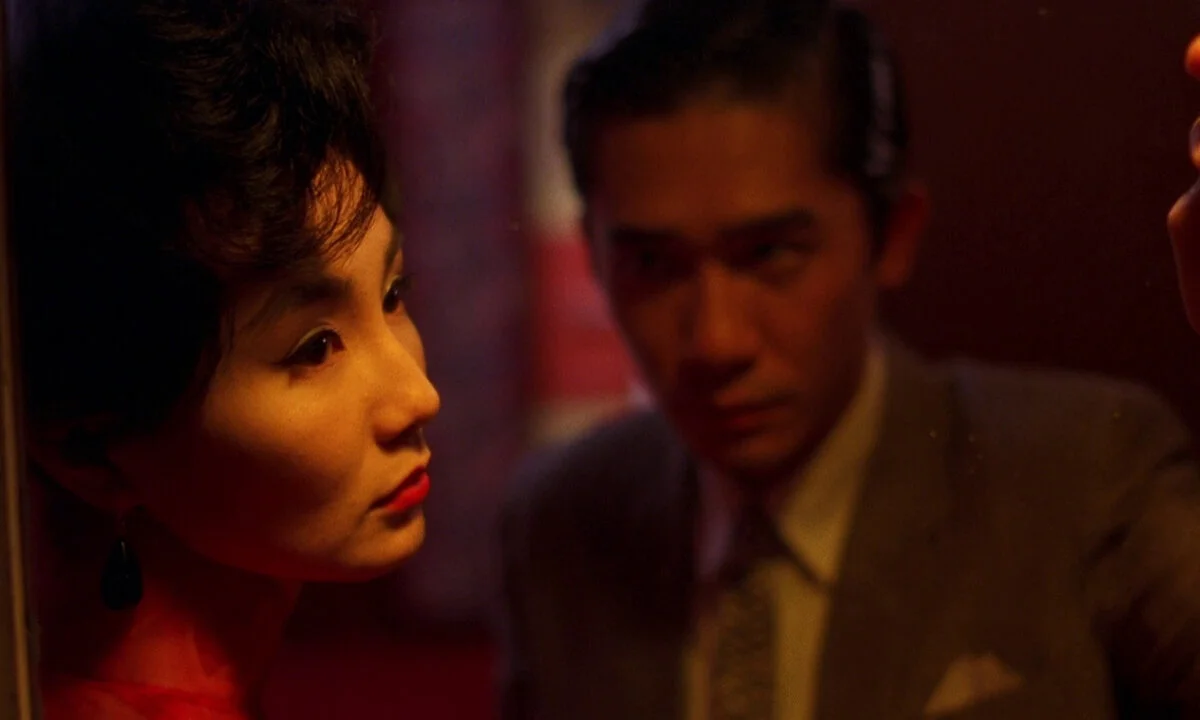
Like with a lot of the directors on this list I have only watched one of Wong Kar-Wai’s films, however, I am utterly obsessed with it. In the Mood for Love is one of the most beautiful pieces of cinema I have ever watched and it has very quickly become one of my favourite films. The use of colour, the framing of shots, the soundtrack, the writing, the acting. The whole film is a masterpiece. I can’t wait to watch more from Wong and luckily I recently nabbed a copy of Chunking Express on eBay that wasn’t extortionately priced!

Céline Sciamma

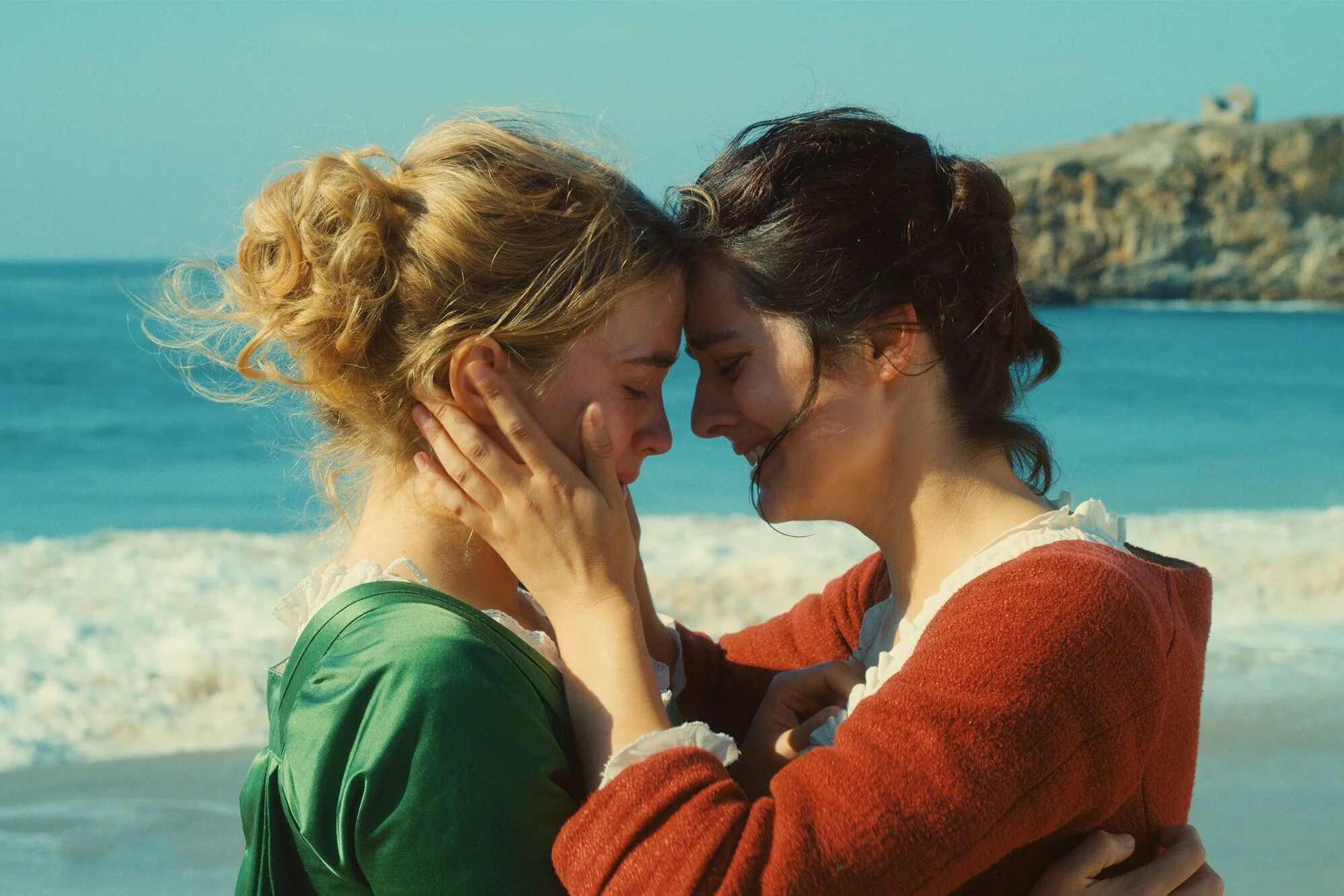
Portrait of a Lady on Fire is pure art; there is no denying it. I wrote a rather gushing review on the film after watching it because it blew me away so much and I couldn’t stop thinking about it, in fact, I still think about it now, what can I say I’m a sucker for unfulfilled romances. Films like this make me fall even deeper in love with cinema (if that’s even possible).

Yorgos Lanthimos

Lanthimos has quickly become synonymous with dark and quirky films thanks to The Favourite, The Lobster, The Killing of a Sacred Deer and Dogtooth. It is clear that Lanthimos is a visionary and has a very specific film aesthetic, and I found that I was hooked on his films ever since watching The Lobster. Lanthimos is a huge inspiration for me as he started making films on practically no budget, and now he is one of the most exciting filmmakers working today. His most recent film is a short called Nimic, and at 12 mins long, it’s phenomenal and so freaking creepy!

Let me know in the comments section who your favourite directors are.

Spanish Cinema: Dolor y gloria (Pain and Glory) Review

Pain and Glory is cinema at its best, a feast for the eyes and a story that touches the heart. Directed by Pedro Almodóvar and starring Antonio Banderas in the lead role of Salvador Mallo, a troubled director, this film explores the very essence of life, the pain and the glory of existence, if you will.

This film has been on my watch list for far too long and I am also kind of ashamed to say that this is the first Almodóvar film I have seen (despite having a DVD of The Skin I Live In on my shelf for years!) The first thing that struck me was the use of colour (a well-known trademark of the filmmaker if I’m correct), in every frame, there is a perfect balance of rich jewel tones and paired back neutrals, making everything pop in such an aesthetically pleasing way.

Homes or interiors to be more precise play an important part in the film, and they are visually stunning too. From the striking whitewash walls of the cavern home of Mallo’s childhood to his chic and colourful apartment. Can I just say that the latter is perhaps one of the most gorgeously designed apartments I have ever seen (interior design inspo on a whole new level!) and interestingly it is a replica of Almodóvar’s own home. According to Antxón Gómez (Production designer and frequent collaborator) “For Pedro, interior design is a character in the movie,” [1]. And it truly feels like this is the case while watching the film, the eclectic decor speaks volumes about the characters and shows that they have a rich and complex history. It’s the same with fashion, and can I just say that I need a green jacket like the one Mallo rocks in my life. Fashion and Interior design are ways in which we can express ourselves, and then for Almodóvar, there is filmmaking as well. Creating art is a form of expression, its storytelling in it’s most visceral form.

“Las noches que coinciden varios dolores, esas noches creo en Dios y le rezo. Los días que solo padezco un tipo de dolor, soy ateo.”

“The nights that coincide several pains, those nights I believe in God and I pray to him. The days when I only suffer a type of pain I'm an atheist.”

Narratively, Pain and Glory is meandering, it flicks between the present and past childhood memories…or does it? When taking into account the final scene of the film, you must rethink everything you’ve seen throughout. Are all the flashbacks purely Mallo’s reconstruction of his memories on a film set, does this then mean that everything we have seen from his childhood has been moulded for cinematic storytelling. Having a film within a film that is only revealed to be a film at the end is a rather clever move from Almodóvar, and further cements the film’s theme of the craft of storytelling. It’s so meta it almost hurts!

Films like this make me fall even more in love with cinema and make me want to make movies. I say this all the time but it’s true, there’s something so special about watching a beautifully made film that has so much depth and substance to it, it’s like reading a novel that’s full of imagery and symbols. It’s powerful and utterly relatable.

 
page0+7.jpg
 
 
page0 8.JPG
 

[1] González. B (2020) All About the Vibrant Decor in Pedro Almodóvar’s Films, Available at: https://www.houzz.com/magazine/all-about-the-vibrant-decor-in-pedro-almodovars-films-stsetivw-vs~131255473 (Accessed: 8th February 2021).