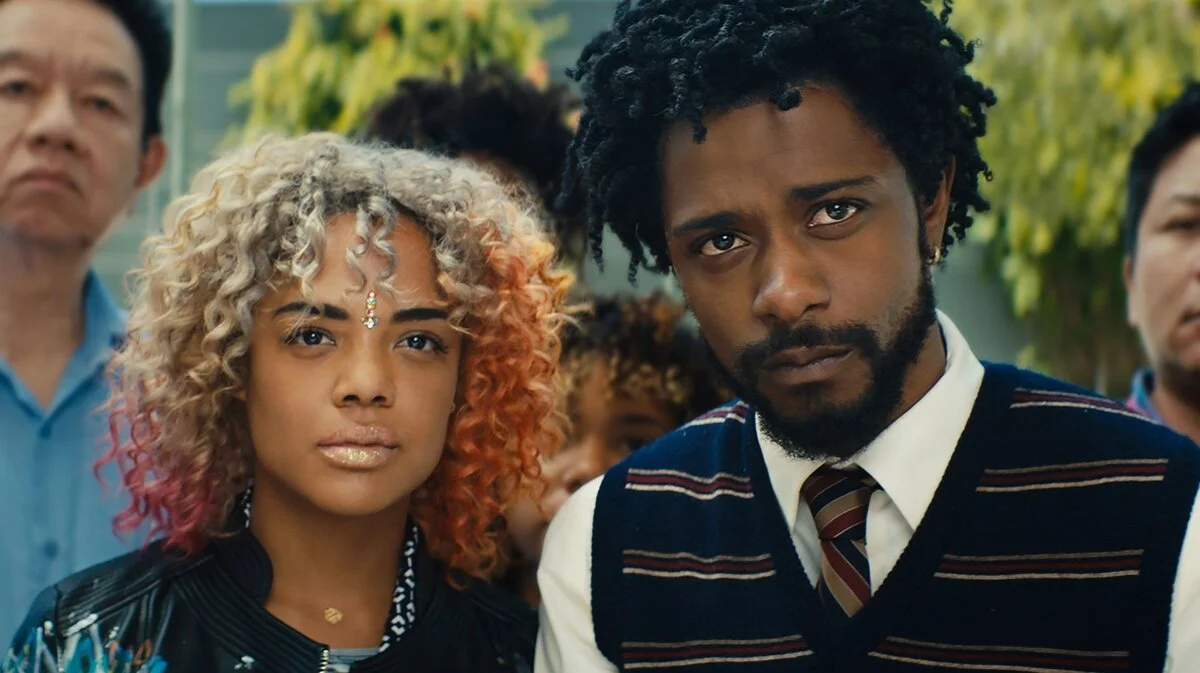
The Souvenir Film Review

Joanna Hogg’s The Souvenir is a semi-autobiographical film about a young filmmaker who gets caught up in a fraught relationship with a charming older man.

Hogg shoots The Souvenir perfectly. It’s a visual delight of soft dreary colours and a grainy film texture.

Also, Interestingly, the apartment Julie lives in is actually a full reconstruction of Hogg’s apartment, and the views seen through the windows are old photos that Hogg had taken back in the 80s. Filmmaking doesn’t really get much more personal than that.

Furthermore, Hogg represents this with the use of close-ups and mirrors. There is a wall-length mirror that occupies Julie’s apartment, and it acts as a device that reflects the characters back to themselves unflinchingly. Then, when the mirror is broken, it distorts them and splinters their reflections.

On the other hand, to counteract this intimacy with the personal past, Hogg also shoots many moments from afar and in one particularly striking scene in Venice, we see the action from the reflection of a small mirror in a vast room, the complete antithesis of the mirror that occupies Julie’s apartment, yet it tells the same truth.

And while it’s a gorgeous film to behold, I did find The Souvenir to be just a little too slow in its unfolding of the plot; sure, it had a lot to say about class, relationships, gaslighting and art, but it said them all a little too slow for me. Which I was rather surprised about as I do love a slow-burn film where characters and mood take centre stage.

“Stop inviting me to torture you,”

The casting in this film is spot on; Honor Swinton Byrne becomes enmeshed with Julie, and Tom Burke plays Antony with the right balance of pretension and charm that is soon replaced with utter deplorability. Tilda Swinton as Julie’s Mother (who is also Swinton Byrne’s real Mother), who dances on the line between maternal love and being overbearing, and Richard Ayoade’s cameo as a patronising filmmaker and friend of Anthony is rather amusing.

IMG_8886.jpg

While I struggled with the film due to its pacing I will definitely be watching The Souvenir Part II as I am intrigued to see where Julie’s story is heading. But above all else I loved the cinematography and casting (as I’ve mentioned earlier in this review) and to be honest that is enough for me.

French Cinema: Portrait de la jeune fille en feu (Portrait of a Lady on Fire) film review

Portrait de la jeune fille en feu is a historical drama directed by Céline Sciamma.

The film tells the story of a forbidden love affair between an aristocrat and a painter; being both women in 18th-century France, the romance between Marianne (Noémie Merlant) and Héloïse (Adèle Haenel) is deemed by society just as much a social taboo as it is a sexual one.

The film competed at Cannes for the Palme d'Or but instead won the Queer Palm, a significant achievement as Céline Sciamma is the first woman to win the prize.

I love how female-orientated this film is: Céline Sciamma, the director is a lesbian woman, the cast is literally just women (except a few male extras here and there), the cinematographer, yes, you guessed it is a woman, Claire Mathon, to be precise and I am fast becoming a fan of her work. And this shows big time in how the film feels. There is no male gaze, and there are difficult issues such as abortion present.

Moreover, through Marianne, a female artist, the art world and its restrictions on women are challenged; traditionally, the woman is the muse but here, she can play both roles, the painter and the muse.

And at the very crux of the story is the beautiful, passionate and poetic love that Marianne and Héloïse have for each other. It’s safe to say that the ending of the film broke my heart, I sobbed and ugly cried long after the credits rolled. Even thinking about page number 28 or the myth of Orpheus and Eurydice chokes me up, and ‘Summer’ from Vivaldi's Four Seasons will never be the same.

«Vous pensez que tous les amants ont le sentiment d'inventer quelque chose?»

Do all lovers feel they’re inventing something?

This film is exquisitely shot, the cinematography feels like a painting and the stolen looks and glances between Marianne and Héloïse are shown in beautifully framed close-ups. Portrait de la jeune fille en feu feels like a love letter to love, to Queer love and to the poetry of the soulmate.

The symbolism in Orpheus and Eurydice is heartbreaking, and when Héloïse calls for Marianne to turn around and look at her one last time, you can’t help but feel a dagger in your heart. It’s almost criminal that this film did not get nominated for Best International Feature Film at the Oscars, as it quite clearly could have won.

Portrait de la jeune fille en feu is a masterpiece of cinema. And like Call Me By Your Name, Moonlight, and a plethora of other exquisitely shot LGBTQ+ films, Portrait de la jeune fille en feu proves that love outside of heteronormativity is beautiful and worthy of a place in cinema and should be celebrated all year round and not just in Pride Month.

IMG_8775.jpg

July 2020 Watchlist

Valeria - Netflix - Already Available

Touted as a Spanish Sex and the City, Valeria follows four friends as they navigate life in Madrid. The protagonist Valeria is a struggling writer who has been married for 6 years, then she meets Victor a charming troublemaker at a party. I’ve already watched a couple of episodes and I am hooked!

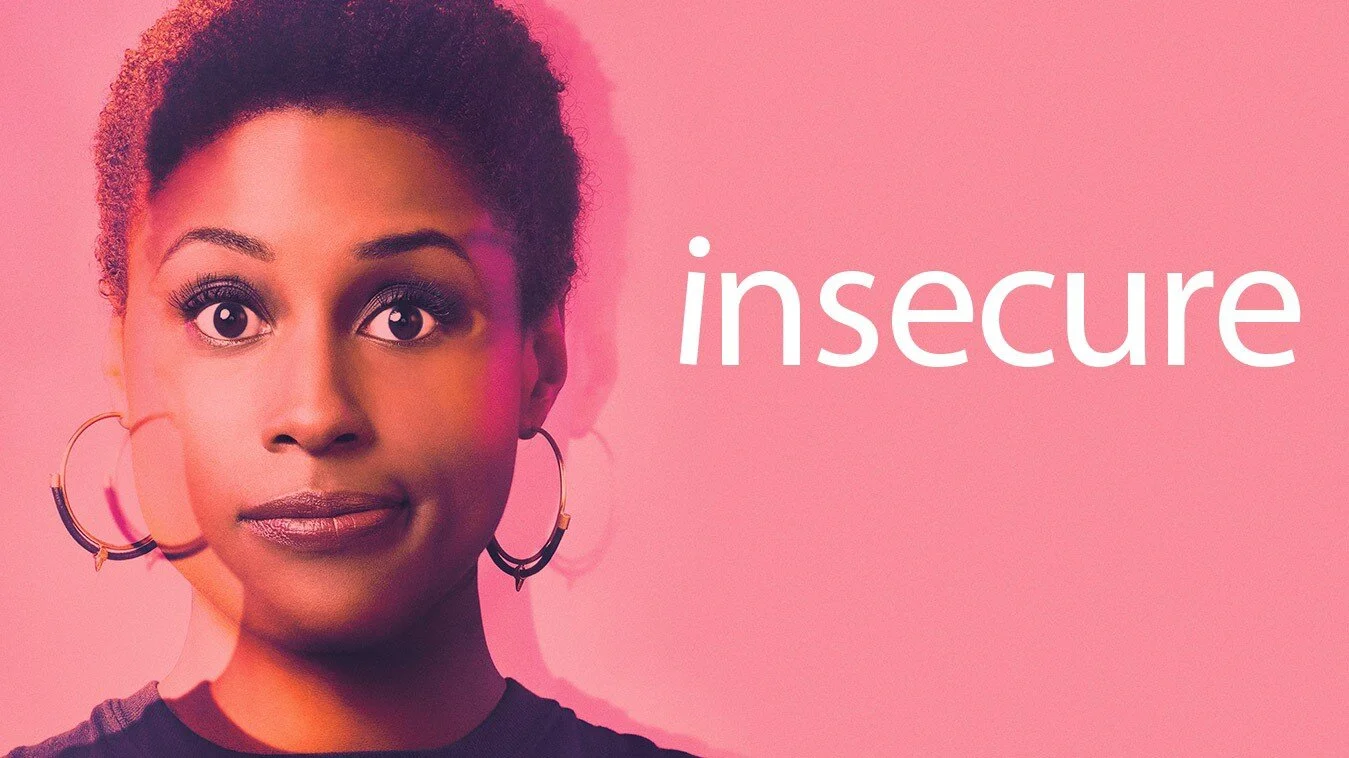
Insecure - HBO & Now TV - Already Available

In a major oversight and perhaps an avoidance of American comedy has lead me to not take notice of Insecure. But after the massive wake up call that was the past few months, I need to make sure I’m watching black oriented narratives more. Insecure tells the story of two women Issa and Molly who have been friends since university and how they navigate relationships, jobs and life in america as black women.

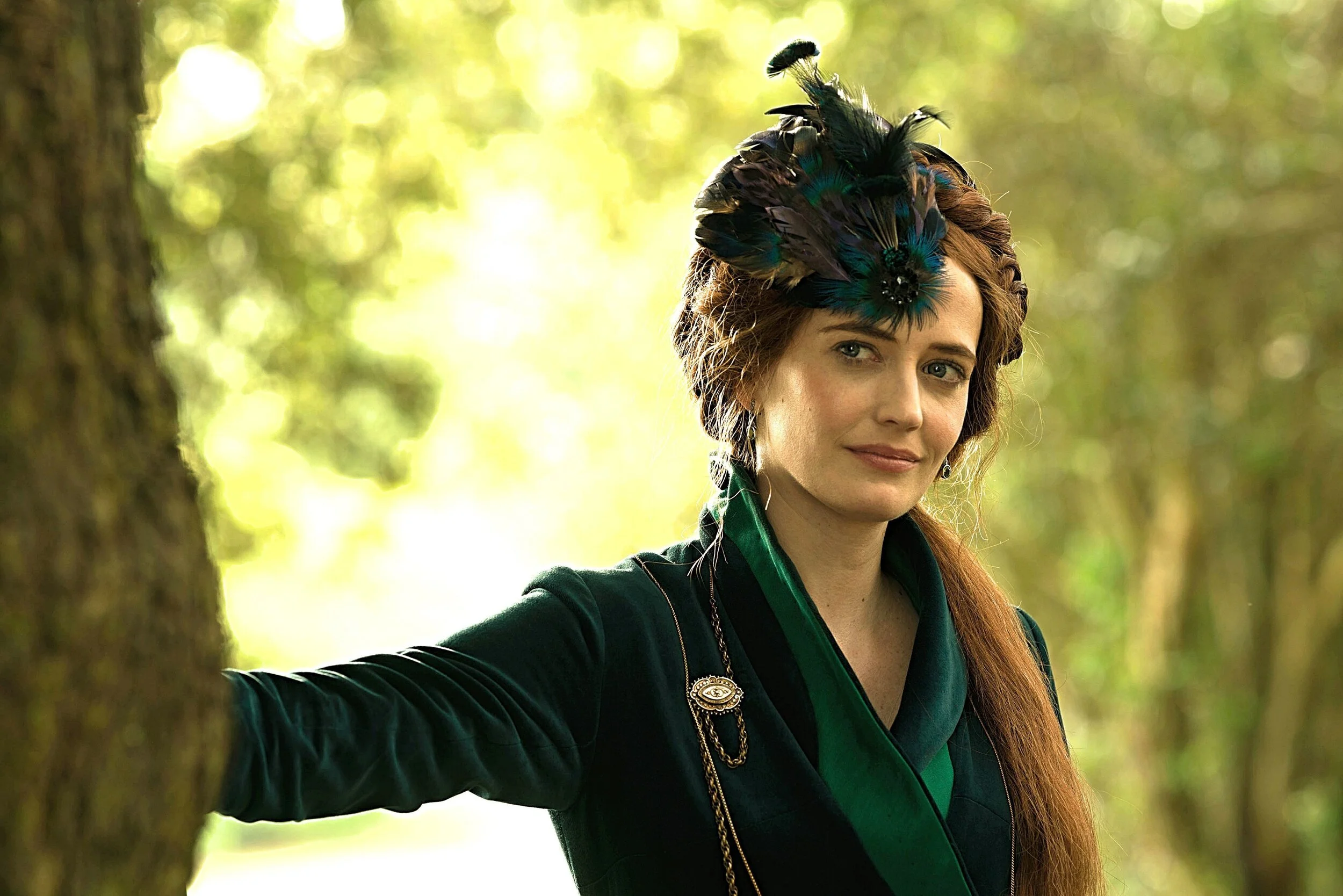
The Luminaries - BBC One & iPlayer - Already airing

As a general rule of thumb, if Eva Green is in something then it’s good. The Luminaries is a miniseries adapted from the Man-Booker winning book of the same name. It is set during the 1860’s gold-rush in New Zealand and is a story of love, betrayal and murder…sounds intriguing. The series also stars Eve Hewson, Himesh Patel and Marton Csokas.

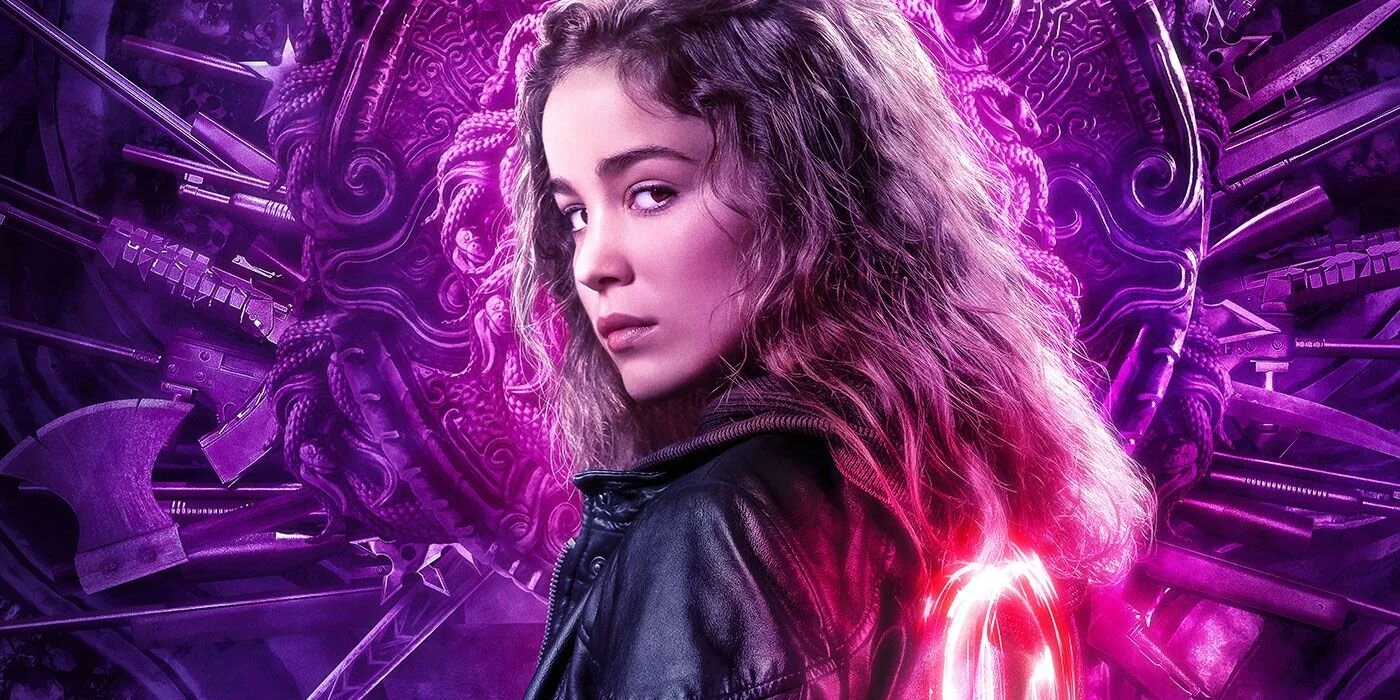
Warrior Nun - Netflix - July 2nd

The title alone is enough to pique my interest. Warrior Nun looks like it will be a fun and ridiculous romp and I’m all here for that. The premise is that a young woman awakens in a morgue with some kind of powerful divine artefact embedded into her back and she soon discovers a new world of demonic forces and a sect of nuns who are trained to fight these monsters. The world is in a really weird place right now so a little supernatural fun will do no harm.

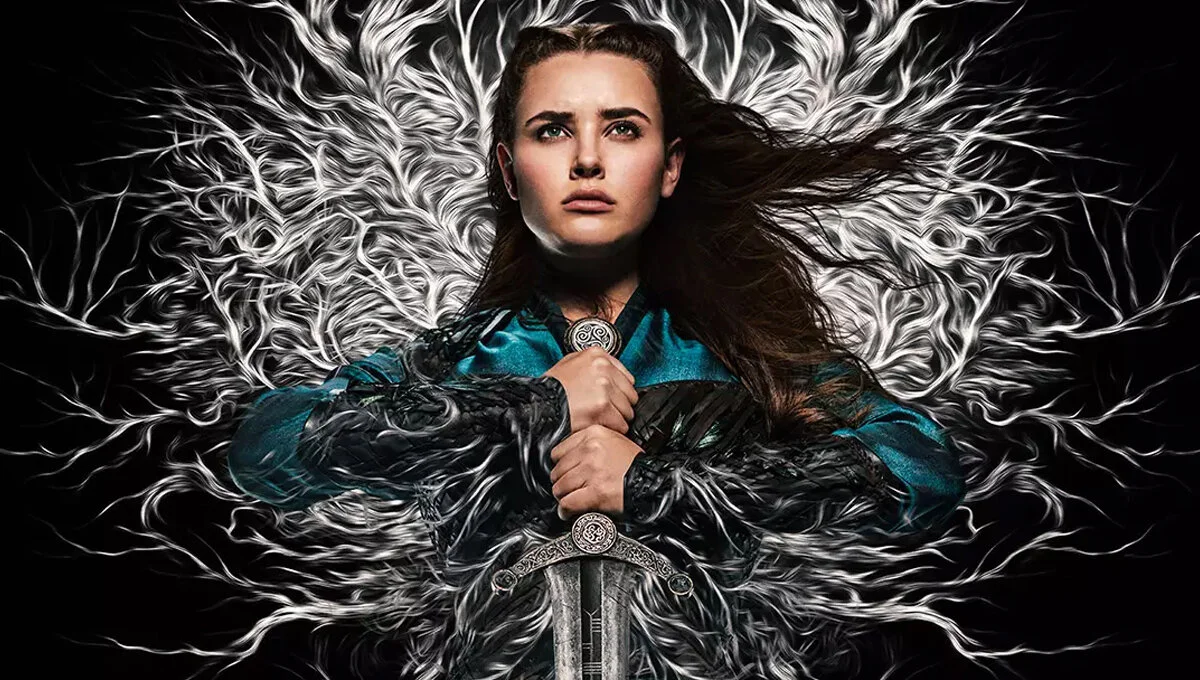
Cursed - Netflix - July 17th

From Frank Miller, Cursed is a reimagining of the legend of Arthur. Judging by this trailer we are going to get a similar visual style to 300 and Sin City, which I love. It’s also a series to watch if you fell in love with The Witcher last year. Toss a coin to Netflix, oh valley of plenty, oh valley of plenty

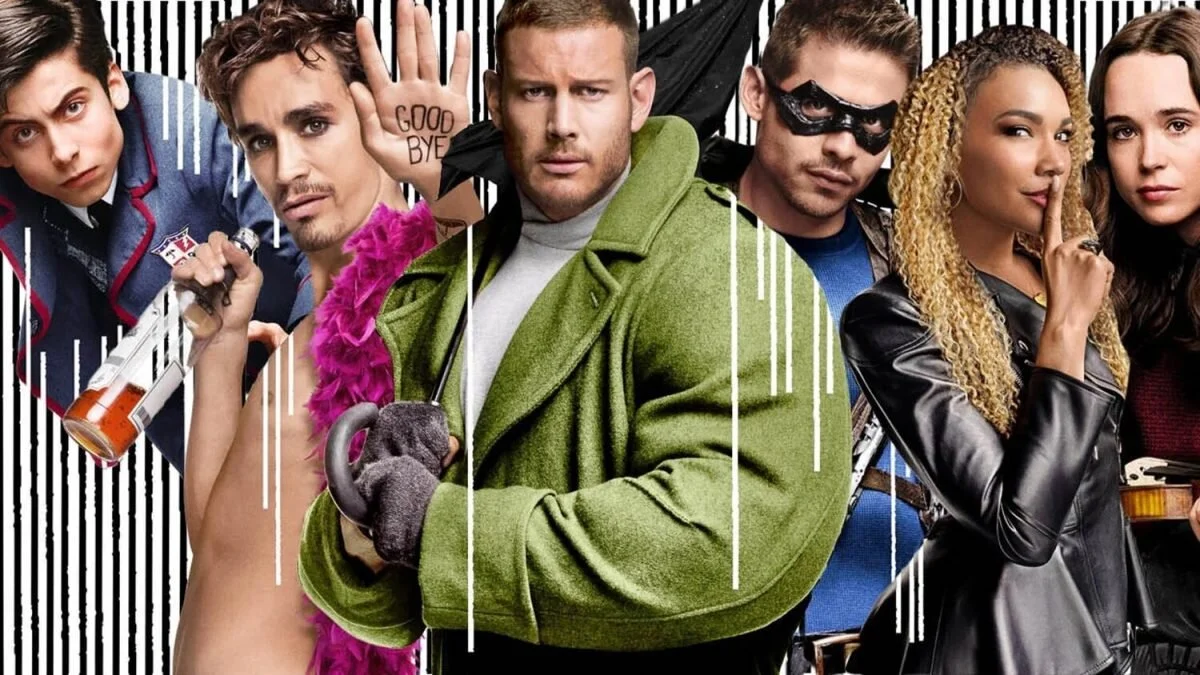
The Umbrella Academy - Netflix - July 31st

Season 1 was such a blast so I am really hyped for The Umbrella Academy to return, unfortunately, there is no trailer for season 2 yet but I’m sure it’s coming very soon. The storytelling is fantastic and it’s a great twist on the overwrought superhero genre so if your yet to delve into this show go watch season 1 ASAP.

June Books

This month has basically been a marathon of short fiction, a final trudge through Dune and me discovering a new favourite book and a desire to read classics again. Oh and I read one of the most obscene books ever written!

Dune by Frank Herbert

I wrote a separate review for Dune as I felt like I had a lot to say, and I did. So TL;DR I liked it but I didn’t like it. It’s complicated and it depends on how you read it and from which POV. But if you fancy reading the full review then click here.

At The Sign Of The Cat And Racket (La maison du Chat-qui-pelote) by Honoré de Balzac

This month I decided to start tackling French author Balzac’s The Human Comedy (La Comédie Humaine) a collection of interlinked works which is made up of novels, novellas and essays set in during the Restoration period and July Monarchy. Balzac could be seen as a French Dickens, as both wrote about society and with a focus on realism. This novella follows a few characters who work at a small shop in Paris and the owner marries his daughters off to two very different men. The themes of money, happiness, status, faithfulness, art, and work run throughout. At some point when my French is up to scratch, I’ll probably try reading some of The Human Comedy in French so stay tuned for that (let’s hold me accountable please!)

Also, Balzac’s At The Sign Of The Cat And Racket has forced me to reconsider the genre of realism, and particularly whether I was wrong about Dickens! I have for many years refused to touch a Dickens novel after reading A Christmas Carol at school and finding it veritably boring. I even avoided reading Bleak House for my degree because I thought I knew that I would hate it (ended up reading Walden by Thoreau and despised that instead) but maybe I would have liked it! Maybe I need to reconsider Dickens, and that folks is something I never thought would happen!

Micromegas by Voltaire

More French lit, I think I often coincide my cinematic choices with my book choices as recently I started watching French films again and suddenly all I want to read is classic French Literature. It’s a bit strange but I’ll go with it (I’ll have to because I have ordered so many French Lit second-hand books recently). I read Candide for Uni last year and really enjoyed Voltaire’s wit and seeing that I was miles behind on my 75 books in a year challenge I thought to myself “why not read this tiny little book by a French author that you’ve read before”. So I did. Micromegas is a rather strange little thing, it is essentially Sci-Fi before Sci-Fi was a thing.

The short story follows a giant from a planet called Sirius as he journeys through the solar system, he meets another giant (though much smaller than Micromegas) on Saturn and they soon find themselves on Earth. For these giants, Human life is so small (literally) and they find our behaviour (waging wars) perplexing due to how insignificant we seem, as in comparison, humans are tiny, and live such short lives and have a much inferior intellect to them. Voltaire’s brand of satire is fantastic and I can’t wait to read more of his works.

Record of a Night Too Brief (蛇を踏む) by Hiromi Kawakami

I like abstract stories, I like bizarre and challenging stories. But I did not like any of the short stories in this volume. I also have in the past read Kawakami and enjoyed her prose, but this collection of three stories just didn’t do anything for me. I found them too strange and I was unable to connect with them on any level. All I can say is nevermind, you win some and you lose some. Will I continue to check out Kawakami’s work? Sure, I think she’s an interesting and talented writer, it’s just that these stories didn’t touch me.

A Spy in the House of Love by Anaïs Nin

I have found a new author to consume wholeheartedly. Her prose is deliciously poetic, and the way she writes Sabine is so vivid and relatable but alarming and deplorable at the same time. I loved this novel and I feel like I need to get a physical copy (I read it on Libby) to underline all the moments of poeticism and to read it over and over again.

Femme Fatale by Guy de Maupassant

This Penguin Little Black Classics book contains four short stories set in 19th Century France was nothing particularly fantastic, just ok in my opinion. But for 80p you can’t really go wrong and I might read Maupassant’s most famous work Bel-Ami as a result.

Story of the Eye (Histoire de l'œil) by Georges Bataille

This is a book that will leave an impression on you. It’s interesting to analyse from a psychological angle but my goodness it is utterly depraved and probably the most f***ked up book I have ever read. All I’m prepared to say is that I can probably never look at eyes and eggs the same way again.

Film Review: Sorry to Bother You

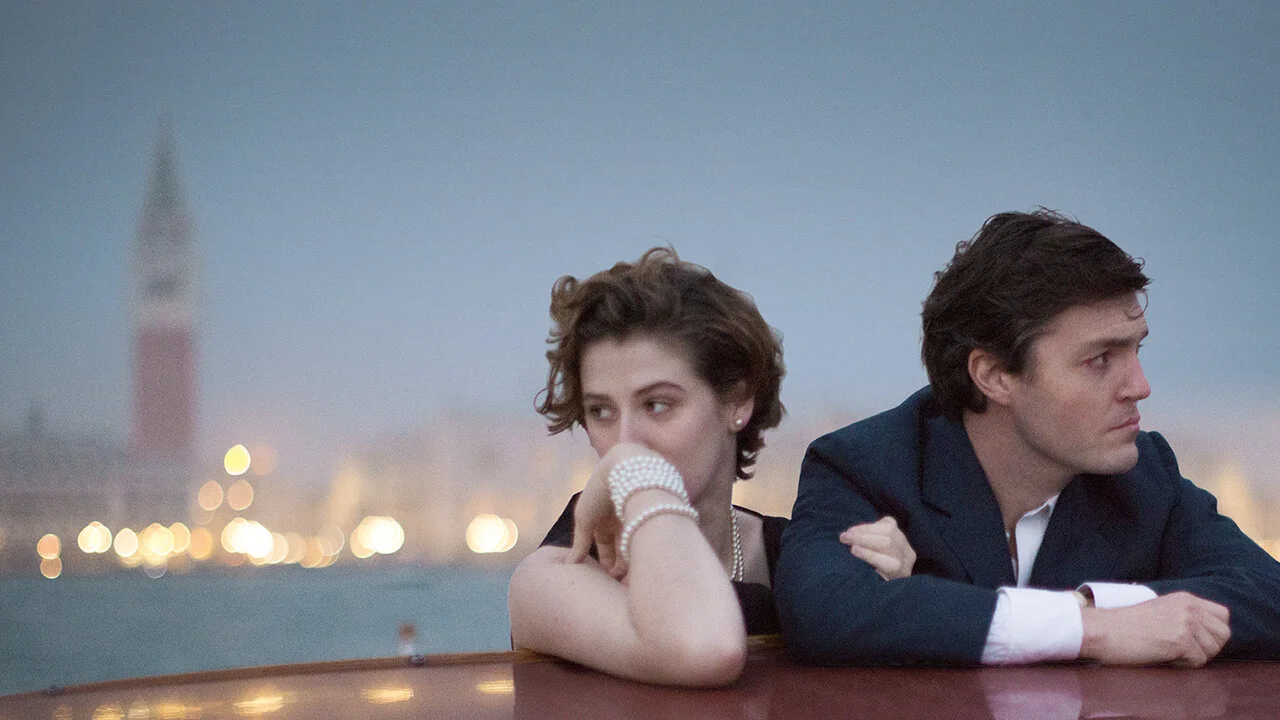
Sorry to Bother You is a satirical masterpiece tackling capitalism and racism simultaneously. The film was directed by Boots Riley in his debut behind the camera and stars Lakeith Stanfield, Tessa Thompson, Danny Glover, Steven Yeun, Omari Hardwick and Armie Hammer.

This film is beyond wacky like it is a trip and a half. Yet it feels so relevant right now because of how linked it is with our current reality. Capitalism is critiqued through the adverts Cassius sees on TV and around his neighbourhood, the evil corporation ‘WorryFree’ is a modern incarnation of the slave trade and to truly escalate his career Cassius adopts a “White voice” as a telemarketer.

The concept of the “White Voice” is really quite terrifying, a white supremacist construct that serves to restrict black voices. Before adopting this voice, Cassius is unsuccessful in selling to a predominantly white public, but as soon as he uses this “White Voice”, he connects with them and starts racking up the sales!

Yeun’s character Squeeze also starts a union to protest against unfair working conditions and terrible pay, which also fits in with how 0-hour contracts, discrimination and dehumanisation occur in workplaces within our reality.

These critiques of society are so cleverly woven into the narrative, and the humour is just so brilliant, I think I could gush about how absolutely original and funny and important this film is for hours. It is definitely a new favourite, and I can’t wait to see what Riley does next as a Director!

The costume design and just the general aesthetics of this film really stand out, especially with the character Detroit, Cash’s girlfriend played by the always brilliant Tessa Thompson. She wears custom earrings and clothes with political and feminist messages, her hair is dyed several different colours and her makeup defies convention. She is an artist through and through and I love how expressive her costuming is, she is an iconic character and I loved how independent she is.

IMG_8768.jpg

With the Black Lives Matter movement gaining massive traction this past month after the awful murders of Ahmaud Arbery, Breonna Taylor and George Floyd this year, it is important for Black voices to be amplified and given a space to shine. One of the best places for this to happen to reach a wide range of people is in the film industry.

Movies are so influential; they can inspire, they can celebrate, and they can educate, and a film like Sorry to Bother You does all three. Riley, alongside other Black Directors like Spike Lee, Steve McQueen, Barry Jenkins, Ryan Coogler and Jordan Peele are making fantastic films right now that challenge how White Hollywood is, so get watching!

My next step is to seek out Black Female Directors, as the film industry, in general, is dominated by male voices. So far, I’ve added Ava DuVernay, Melina Matsoukas, Chinonye Chukwu, Wanuri Kahiu and Mati Diop to my list, but if you have a favourite Black Female Director, then feel free to share with everyone in the comments section.