Little Joe Film Review

Directed by Jessica Hausner Little Joe is an indie sci-fi horror that explores genetic modification and motherhood. Emily Beecham stars as Alice Woodard, a plant breeder who has created a new species that gives its owners intense joy…but at what price?

Narratively Little Joe is interesting, there is a clear exploration of deep themes: the mood altering effects of pharmaceuticals, the trials of motherhood and the bastardization of nature through genetic modification just to name a few. But, I would be inclined to say that what really makes this film quite special is the symbolism displayed through visuals and audio.

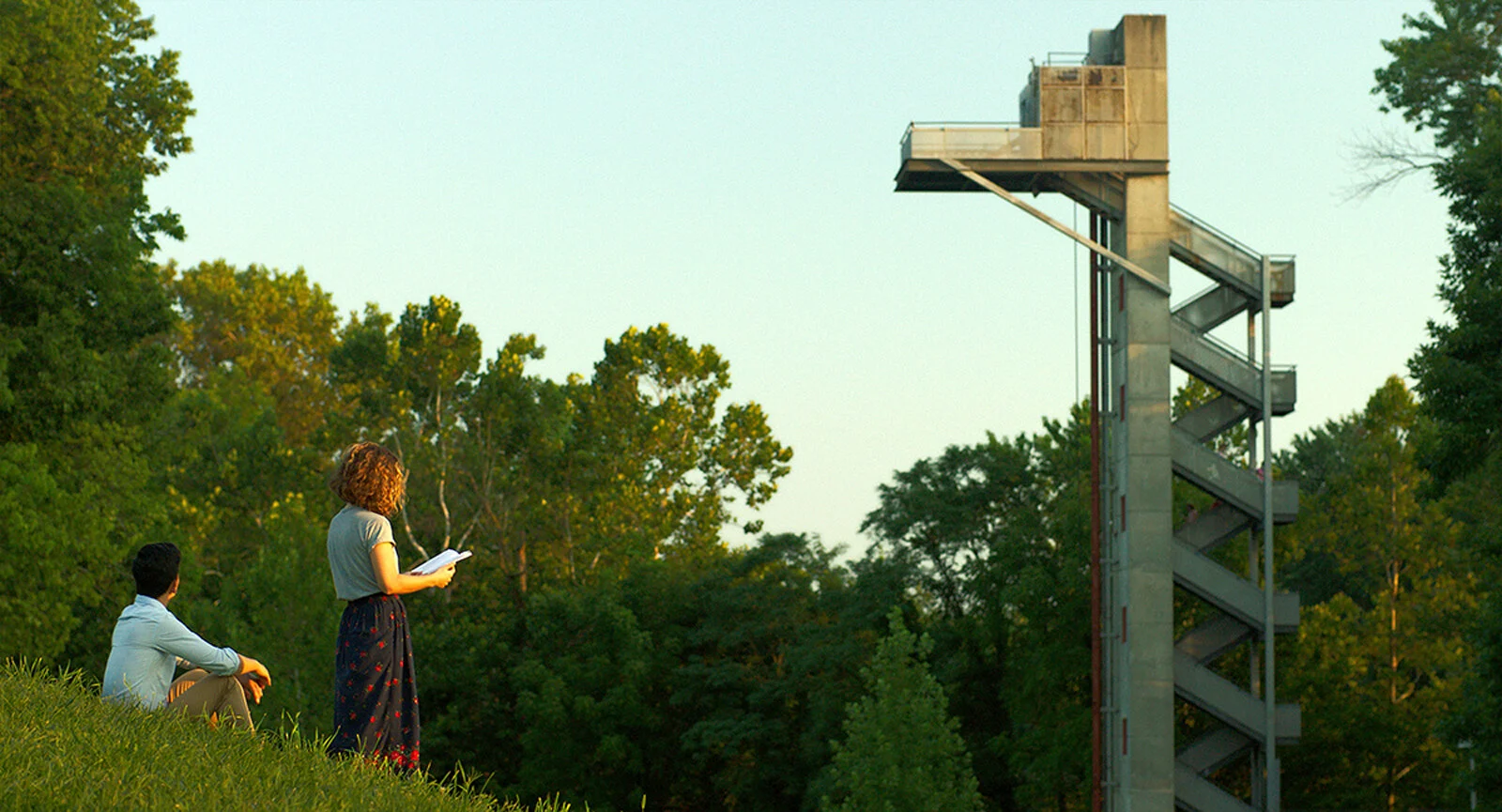
The colour design of this film is one of its most striking features. The lab and uniforms are a pale montone green which are directly juxtaposed with the vibrant red plumage of the Little Joe plant. This use of complementary colours creates a sort of visual symbiosis between the scientists and the plants, but as the film progresses it is clear that this visual harmony is indeed superficial and something far more nefarious is at work. Elsewhere, the colour design sticks to a closer palette of greens, oranges and yellows or the intense mixing of purple and red, the former displaying order and familiarity and the letter another expression of danger.

The camera moves very methodically to create a sense of control and sterileness which soon becomes creepy as it is too perfect. Moreover, this precision of the camera movement also acts as a parallel to what is happening within the lab, the modification of nature has morphed the characters into automatons, they become focused on one singular goal the propagation of the plant as it can’t reproduce on its own.

Another way in which Little Joe creates unease is through its erratic soundtrack. There is an eerie exoticness to the sounds and irregular rhythms which no doubt was used to mirror the strangeness of the plant. And while it can become a little distracting at times for the most part this soundtrack added a curious texture to the film and enhanced the mood.

IMG_9570.jpg

Overall, Little Joe is a peculiar little film that will leave you reeling long after the credits, it’s full of beautiful visuals, uncanny commentaries on society and a really fantastic central performance by Emily Beecham who quite rightly won the Best Actress Award at Cannes last year.
Danish Cinema: Jagten (The Hunt) Review

Directed by Thomas Vinterberg and starring Mads Mikkelsen, Jagten tells the story of Lucas, a warm and kind-hearted school teacher ostracised by his small village, when a lie suggesting that he is a paedophile begins to circulate.

Interestingly (and worryingly), Jagten was inspired by many real-life cases in which false accusations have resulted in similar and far worse outcomes than those portrayed in the film. Also, in many ways, this film is almost a companion piece to, or as Vinterberg himself suggests, is an antithesis to Festen (The Celebration), his breakthrough film, which dealt with a similar issue of child abuse.

Vinterberg cleverly juxtaposes the close-knit charm of village life that Lucas is very much ingrained into at the beginning of the film with his sudden ostracization, and these seemingly nice villagers and close friends very quickly become cruel and violent towards him. It’s a study of how a man’s life and a community as a whole are torn apart by a lie.

The Hunt is a hard film to watch as we know Lucas is completely innocent, and this makes it so frustrating to see him subjected to such relentless viciousness. But this is also where the genius of the film lies because people in real life would act in that way, they would attack or be verbally violent towards someone they wholeheartedly believe to be a child molester; it’s wrong but somehow acceptable behaviour.

Vinterberg also makes it very clear that there are no villains in the film, from the innocent Klara, to the best friend and to Lucas himself. They are simply a group of people who have a massive amount of love for each other and are trying to navigate this inexplicable trauma.

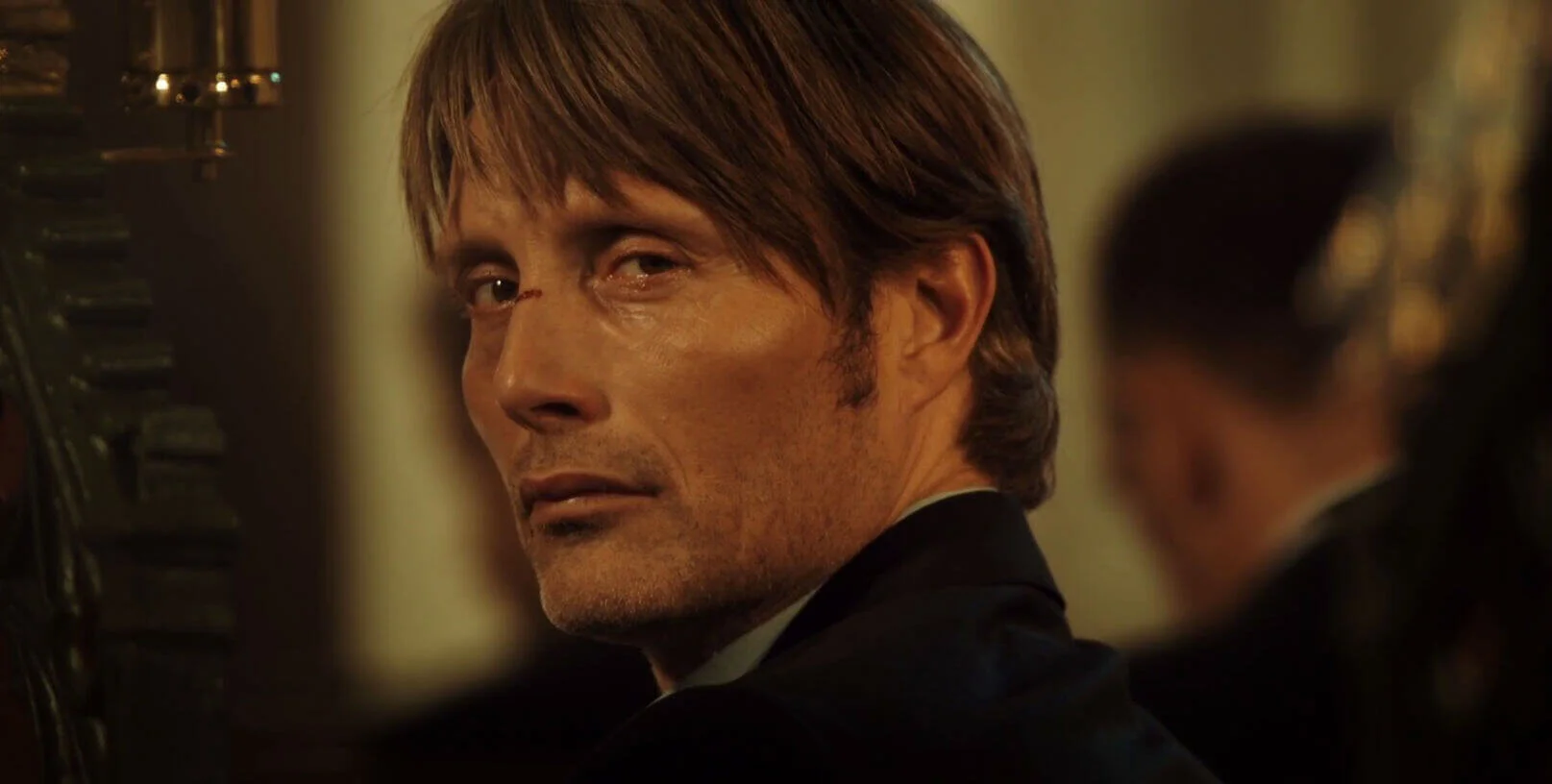
Mads Mikkelsen’s portrayal of Lucas is simply perfect. For anyone only familiar with his work in Casino Royale or Hannibal, where he plays calculating villains, this role may seem rather surprising, but Mikkelsen is such a diverse and truthful performer, and naturally, his best performances are often in Danish productions.

Here in Jagten, he demonstrates a stubborn restraint that is really quite moving as he is just a man desperate for his life to go back to normal. As the tension builds through the film, Mikkelsen’s performance becomes more and more compelling, and one of the best scenes of the film takes place in a church on Christmas Eve, and it’s really quite an excruciating moment to watch.

To bring out the realness of the film’s narrative, cinematographer Charlotte Bruus Christensen uses a handheld camera, and as a result, the audience views the action of the film through an almost documentary-like lens. This, coupled with an abundance of close-up shots, lets the performances drive the film, and that is something that recurs throughout Vinterberg’s filmography (a leftover from his Dogme 95 days, no doubt) which showcases the actors inhabiting their roles completely and a search for authentic fragility.

There are also moments of natural beauty, specifically shots of deer sprinting through woodlands while being hunted, an allusion no doubt to the film’s discussion on predators and prey and the witch hunt that threatens to destroy Lucas’ life.

But more than that it also leans into the idea of masculinity; the annual hunt is a big part of the community; it’s a ritual and a time and place for male bonding. Moreover, Lucas’ son Marcus is given a rifle after turning 16, it’s a symbol of him becoming a man, and perhaps Lucas is symbolically nearly shot at the close of the film to symbolise his loss of masculine power and his lingering ostracisation from his fellow hunters.

IMG_9426.jpg

In conclusion, I feel like The Hunt is perhaps one of the best films made in the 2010s because of its complex and dynamic story that is both important (in a socio-political sense) and compelling to watch. It features sublime cinematography and a career-best performance from Denmark’s greatest actor working today. This is Vinterberg’s masterpiece.

Columbus Film Review

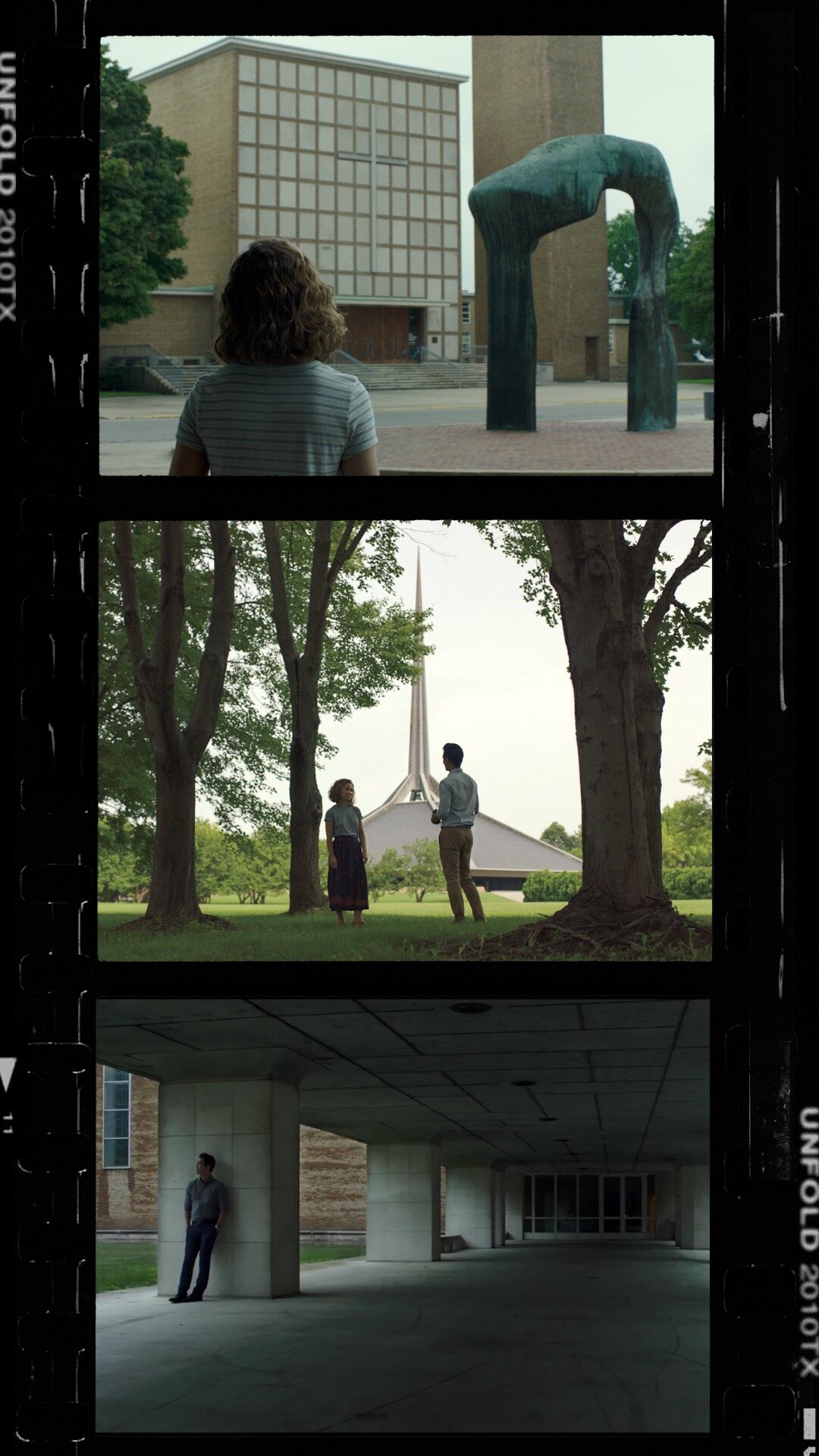
Columbus is video essayist Kogonada’s first feature film. It follows two lost people as they find solace in one another and in the modernist architecture of Columbus, Ohio.

This film hit me hard. The mood of it reminds me of Lost in Translation, and to a certain extent, the relationship that blossoms between Jin and Casey mirrors that of Bob and Charlotte. Two lost souls coming together to heal each other.

Jin harbours resentment towards his father a renowned Architecture scholar who never seemed to have the time for him, while Casey feels like she has to stick around and forgo pursuing her dreams as her recovering addict mother may be lost without her if she leaves. Jin is adamant that he doesn’t like architecture, but Casey’s passionate and soulful way of looking at the modernist buildings scattered over Columbus is infectious, and he soon finds himself enjoying it and how powerful architecture can be as a healing visual. 

You grow up around something, and it feels like nothing.

This film is beautiful, the lingering shots of architecture, the use of negative space and the solitude and beauty of modernist structures. There is a soulfulness that permeates every frame, and you find yourself mesmerised by the power of this quiet and thoughtful film.

I myself am a bit of an architecture nerd, and I love how it is discussed that Architecture can be healing, as I find quite often that when I’m feeling down or lonely, looking at beautiful buildings can ease my pain a little. So to say that this film resonated with me would be an understatement; I found it to be a thoroughly cathartic watch, and I will no doubt watch it again and again in the future.

IMG_9144.JPG

Danish Cinema: Elsker dig for evigt (Open Hearts) film review

Elsker dig for evigt (lit translates to Love you Forever) is Susanne Bier’s first and only film under the Dogme 95 manifesto. It follows two couples in the aftermath of a car accident that changes their lives irrevocably.

The film’s narrative is simple but effective; Cecilie and Joachim, who are engaged to be married, have their lives thrown into chaos when Joachim is paralysed by a car accident. During his rehabilitation in the hospital, Cecile meets Niels, a doctor who also happens to be the husband of the woman responsible for Joachim’s accident.

The drama and intrigue of this film stem from the complex interlinking of these individuals and how love heals and destroys people.

Due to the very nature of this film being a Dogme 95 film, it is very lo-fi, but that only adds to the absorption of the narrative. The natural lighting and handheld camera cinematography bring you closer to the story; it’s as if real lives are unfolding in front of you.

As always, Mads Mikkelsen stands out, there is just something about his acting that is so compelling, and his performance as a man torn between his family and a forbidden romance is fascinating.

With this film being my first foray into the Dogme 95 movement, it was jarring at first to see low lighting, almost student film-like footage, but I was soon hooked by the performances and story.

Dogme 95 is fascinating because the idea is to strip back the filmmaking process, to cast away the superficialities of the genre, special effects and post-production. It’s raw filmmaking at its best, and I am really intrigued to check out Vinterberg’s Festen (Celebration), which was the first official Dogme 95 film to be made and Von Trier’s Idioterne (The Idiots) because, well, it’s Von Trier, I am kinda fascinated by his filmography.

And maybe I will end up checking out the full roster of Dogme 95 films, there being 35 in total. Also, I feel quite inspired to make movies when I watch films like this because it shows that a low-budget film can be utterly compelling if done well.

French Cinema: Les Confins du monde (To the Ends of the World) film review

Les Confins du monde is directed by Guillaume Nicloux and stars Gaspard Ulliel, Guillaume Gouix, Lang Khê Tran and Gérard Depardieu.

Set during the volatile days of France's colonization of Indochina, most specifically Vietnam, Les Confins du monde follows a soldier on his quest to avenge his brother’s violent murder.

Beautifully shot, Les Confins du monde uses lingering shots on sumptuous jungles and beautifully framed quiet conversations suffused with poeticism to juxtapose with moments of extreme violence and gore.

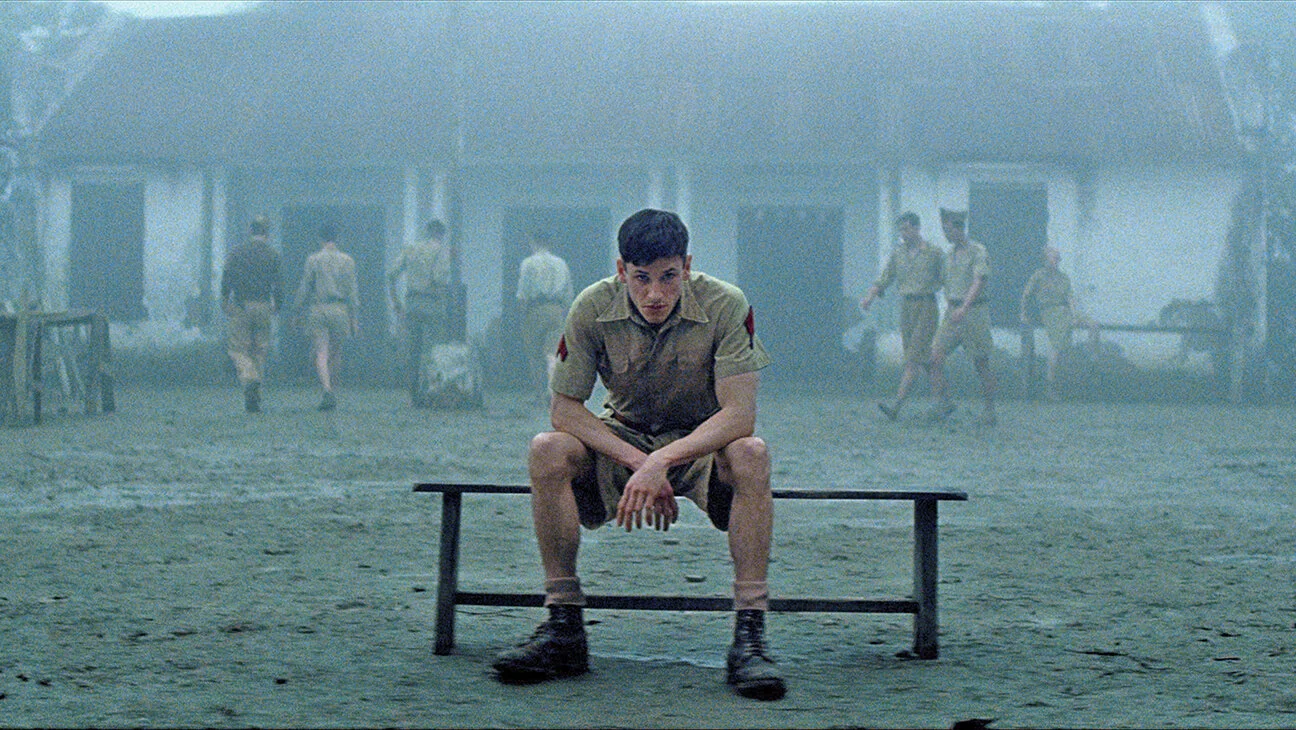
The opening of the film is a brilliant example of this. The ghostly calm, represented by Ulliel’s Tassen sitting alone with people drifting past in a misty army post, a colour palette of pale blues, greys and greens suddenly becomes a contortion of bodies rendered in deep reds, oranges and rich green. A mass grave of bleeding corpses.

This is a shock to the system, a glimpse at the horrors of war and the film to come. This abrupt shift from peace to violence also represents the nature of guerilla warfare; a moment of solitude and silence very quickly descends into chaos and death.

The narrative of Les Confins du monde is very evocative of Apocalypse Now, and Tassen teeters on the edge of becoming a Colonel Kurtz figure as he obsessively hunts for a revolutionary figure waging a guerilla war against French occupation and Japanese invaders whom he deems responsible for the death and mutilation of his brother and his brother’s wife.

Tassen also falls in love with a Vietnamese prostitute, but his love manifests as control and psychological punishment, and his relationships with his fellow soldiers don’t fair much better.

He is poisoned by the need to avenge; he isolates those around him and breaks rules and causes many to die. It’s a brutal film, and the story sort of just fades off towards the end, symbolising that Tassen will probably never find the man he is hunting and that his whole journey is in the end completely futile.

«Le deuil est une drôle d'épreuve. Un jour, on croit en être sorti, et puis non... Il est toujours là, incrusté avec sa colère»

“Grief is a strange ordeal. One day we think we’re cured, but no… it’s still there indivisible from our anger”

Another central theme to the film is that of grief, Tassen is grieving, but he is blinded by rage and PTSD after being the sole survivor of a massacre. He has quiet conversations with Saintonge, a writer who asserts that he is on no one’s side, that he has fallen in love with Vietnam and its people, but who is ultimately crippled by grief.

Tassen is almost disgusted by Saintonge, by his defeat and continues on his journey. With each loss of life around him, Tassen contorts into a more savage, cruel and empty version of himself. This in itself is what makes the film interesting to watch, the study of a broken man on a deadly and endless quest.

IMG_8794.jpg