Getting Back to Normal

This year has been the most surreal and scary year in my life so far. Coronavirus pretty much bought the world to its knees and made nearly every single one of us rethink life. I have realised that I just want to live simply and allow myself to have joy and appreciate everything that I have the privilege of experiencing.

It’s September now and while COVID-19 (the invisible enemy) is still out there lurking, things are starting to go back to normal, well kind of anyway. But maybe instead of going back to normal we need to create a new normal, one where Black Lives Matter, one where the Climate Crisis is taken seriously, one where being LGBTQIA+ is perfectly ok, one where disabilities aren’t met with discrimination. What a beautiful world that would be!

Also, just another thought does anyone else feel like this whole situation has been similar to cold war era paranoia? Instead of “commies” or “red under the bed” it’s a virus that is making us paranoid and suspicious of each other. A cough in public is tantamount to reading the communist manifesto. I really can’t wait for this to be over.

IMG_9232.PNG

Book: Diary of an Oxygen Thief (2nd Hand) Watch: TX MAXX Phone Case: Ideal of Sweden

Personally, I am having yet another tidy up (I swear my clear outs are just as frequent as a DFS sale!). I am also spending my days reading books to declutter the 100’s I have occupying several shelves and pretty much most surfaces in sight. I feel like this time it might stick as I just feel like I need a less chaotic space, in a world so utterly out of control I need to control my little patch of it. I am also starting to look for jobs, I am hoping to find something that will actually allow me to use my brain creatively and failing that I might try freelance copywriting for a while while I make this blog better and try and write a novel.

I am also still studying languages (French, Korean and Norwegian) and I hope to put them into use when the world is safe to travel around again. I can’t think of anything better right now than in a few weeks time renting a cabin in the north of Norway, chopping wood for a fire, snuggling under a blanket and reading while sipping on hot coffee. Then marvelling at the northern lights when it’s dark and the sky is clear. Maybe next year, aye?
August Books

The Summer Book (Sommarboken) by Tove Jansson

Jansson is perhaps most famous for creating the Moomins but the Swedish speaking Finnish author and illustrator was very much an accomplished writer outside her world-famous children’s books. The Summer Book is an episodic account of summers spent on a Finnish island between an elderly woman and her granddaughter Sophia. It’s a slow poetic book that is rooted in moments and observations. Nothing substantial happens but that’s what makes it so enjoyable. I felt lighter and more present after reading it and I will probably revisit the book again in the future.

Fair Play (Rent spel) by Tove Jansson

Following on from The Summer Book I decided to read more of Jansson’s work and luckily my library (using the Libby app) had another book ready to borrow which was Fair Play. This slightly shorter novel feels very much in the same vein of The Summer Book in the fact that it’s written episodically and has that peaceful feel to the flow of the narrative. Fair Play follows two artistically inclined women Mari and Jonna as they watch movies, create art, talk, spend a summer on an island and travel to America. Again Fair Play is not such a plot-heavy book it’s more about creating a mood and I liked that.

Naïve. Super (Naiv. Super.) by Erlend Loe

Continuing my sudden exploration of Nordic literature I next read Loe’s Naïve. Super. This Norwegian novel follows an unnamed narrator who goes through something of a mental breakdown in his twenties. Besides this, the narrator is definitely different to most people and part of me suspects that he is written as someone who falls on the Autistic spectrum. When reading from this angle Naïve. Super. is a really compelling story and I finished it in one day.

Things fall Apart by Chinua Achebe

Achebe’s novel is heralded as a modern classic and it certainly is. The story follows Okonkwo and his daily life in his tribe until something tragic happens and his life changes forever. This novel also touches on European colonialism and how it changed the face of Africa forever. Religion also plays a massive part in the narrative and Achebe immerses his readers into the tribes spiritual practises and juxtaposes them with the importing of Christianity by the colonists. At its heart, Things Fall Apart is a study on identity and its definitely worth a read if you are wanting to explore African literature and the effects of colonialism.

Columbus Film Review

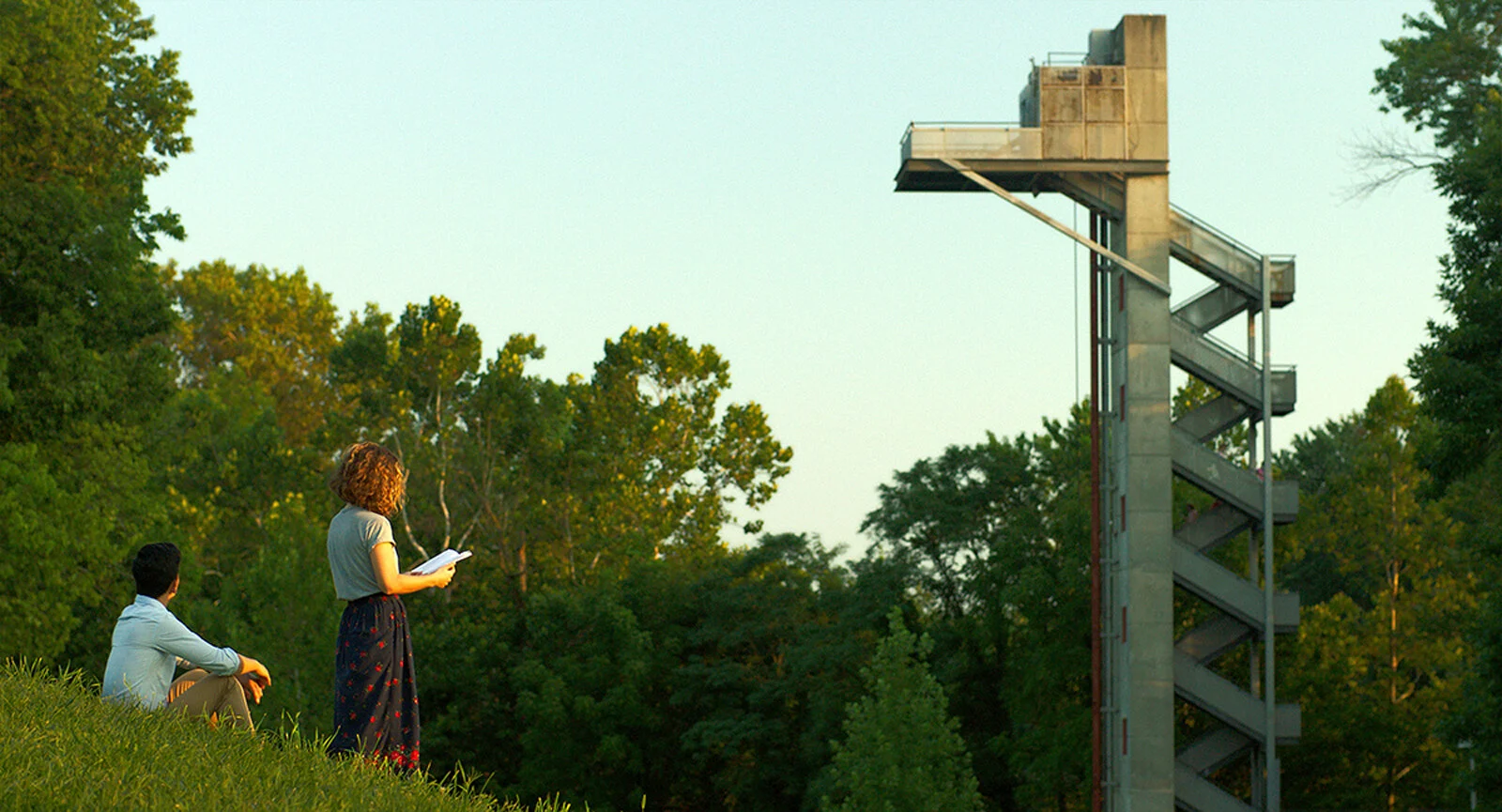
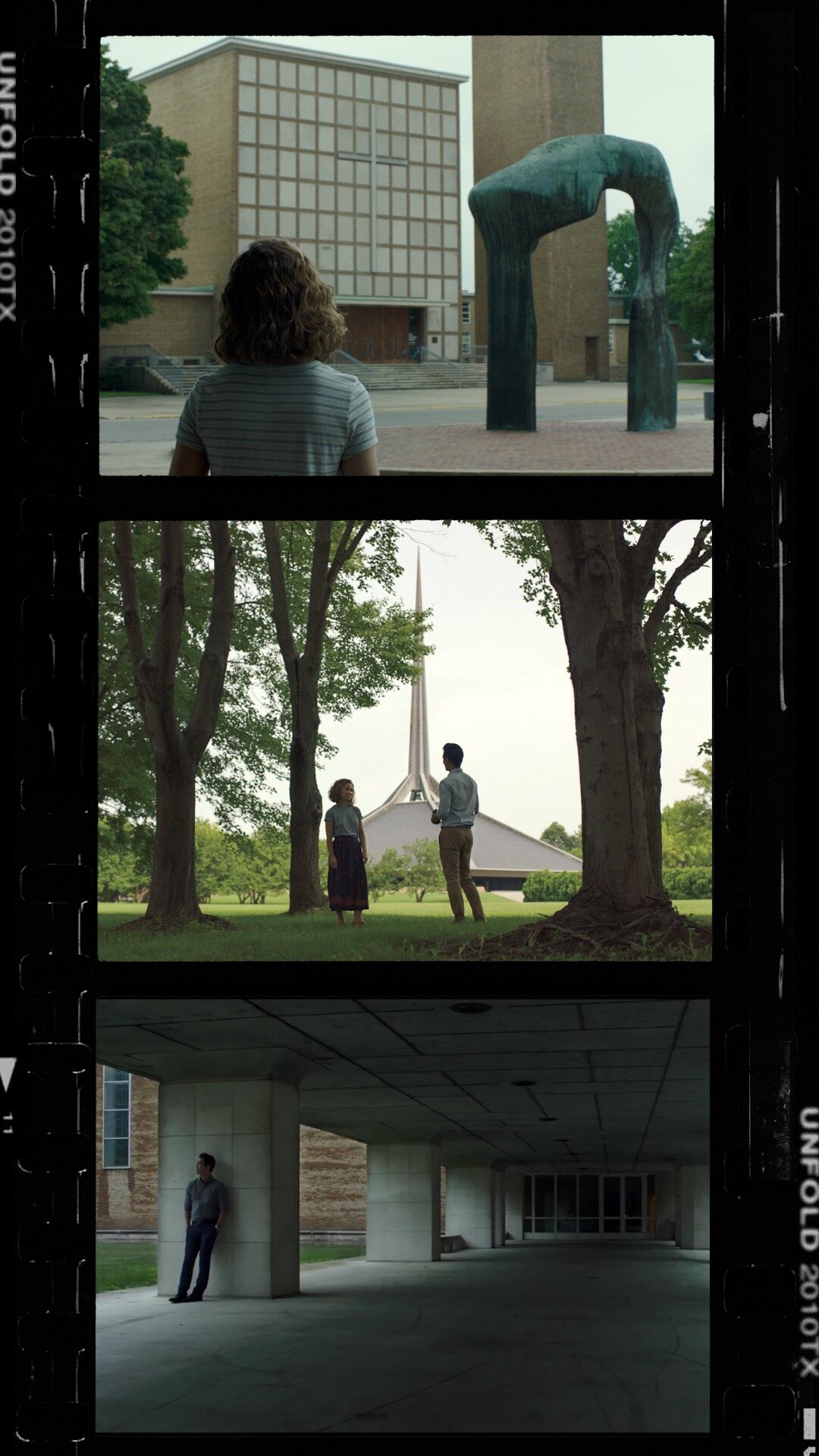
Columbus is video essayist Kogonada’s first feature film. It follows two lost people as they find solace in one another and in the modernist architecture of Columbus, Ohio.

This film hit me hard. The mood of it reminds me of Lost in Translation, and to a certain extent, the relationship that blossoms between Jin and Casey mirrors that of Bob and Charlotte. Two lost souls coming together to heal each other.

Jin harbours resentment towards his father a renowned Architecture scholar who never seemed to have the time for him, while Casey feels like she has to stick around and forgo pursuing her dreams as her recovering addict mother may be lost without her if she leaves. Jin is adamant that he doesn’t like architecture, but Casey’s passionate and soulful way of looking at the modernist buildings scattered over Columbus is infectious, and he soon finds himself enjoying it and how powerful architecture can be as a healing visual. 

You grow up around something, and it feels like nothing.

This film is beautiful, the lingering shots of architecture, the use of negative space and the solitude and beauty of modernist structures. There is a soulfulness that permeates every frame, and you find yourself mesmerised by the power of this quiet and thoughtful film.

I myself am a bit of an architecture nerd, and I love how it is discussed that Architecture can be healing, as I find quite often that when I’m feeling down or lonely, looking at beautiful buildings can ease my pain a little. So to say that this film resonated with me would be an understatement; I found it to be a thoroughly cathartic watch, and I will no doubt watch it again and again in the future.

IMG_9144.JPG

Mango Autumn Wishlist

Autumn is probably my favourite season for fashion, I love layering, knits, all those earthy tones that match the season and of course the return of most flattering shade black. Mango is such a cool brand and I am loving some of these pieces right now and I am most likely going to make a purchase or two (if I can control myself!). Full disclaimer these links are affiliate links so if you buy anything using them I make a small commission.

Danish Cinema: Elsker dig for evigt (Open Hearts) film review

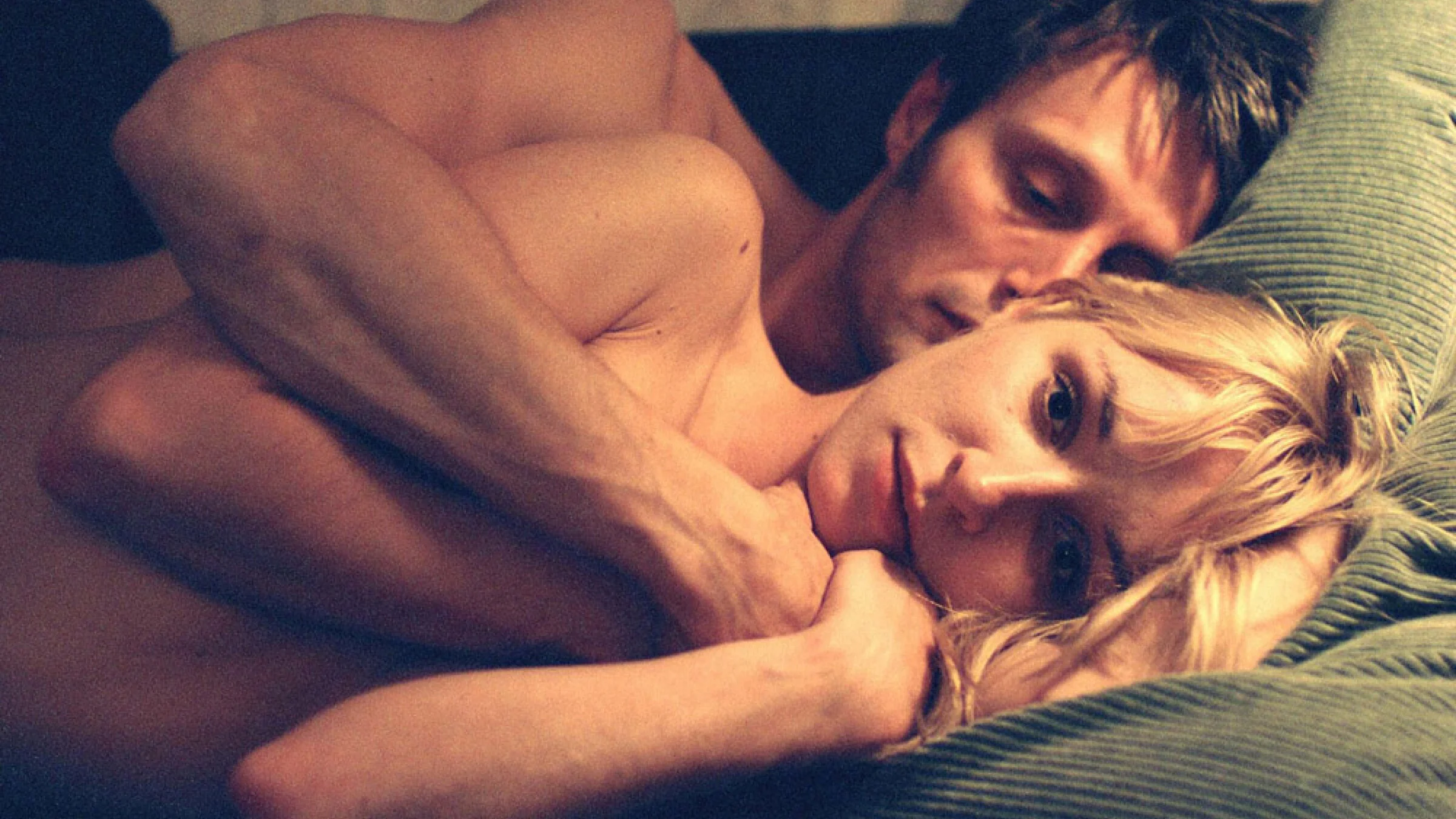
Elsker dig for evigt (lit translates to Love you Forever) is Susanne Bier’s first and only film under the Dogme 95 manifesto. It follows two couples in the aftermath of a car accident that changes their lives irrevocably.

The film’s narrative is simple but effective; Cecilie and Joachim, who are engaged to be married, have their lives thrown into chaos when Joachim is paralysed by a car accident. During his rehabilitation in the hospital, Cecile meets Niels, a doctor who also happens to be the husband of the woman responsible for Joachim’s accident.

The drama and intrigue of this film stem from the complex interlinking of these individuals and how love heals and destroys people.

Due to the very nature of this film being a Dogme 95 film, it is very lo-fi, but that only adds to the absorption of the narrative. The natural lighting and handheld camera cinematography bring you closer to the story; it’s as if real lives are unfolding in front of you.

As always, Mads Mikkelsen stands out, there is just something about his acting that is so compelling, and his performance as a man torn between his family and a forbidden romance is fascinating.

With this film being my first foray into the Dogme 95 movement, it was jarring at first to see low lighting, almost student film-like footage, but I was soon hooked by the performances and story.

Dogme 95 is fascinating because the idea is to strip back the filmmaking process, to cast away the superficialities of the genre, special effects and post-production. It’s raw filmmaking at its best, and I am really intrigued to check out Vinterberg’s Festen (Celebration), which was the first official Dogme 95 film to be made and Von Trier’s Idioterne (The Idiots) because, well, it’s Von Trier, I am kinda fascinated by his filmography.

And maybe I will end up checking out the full roster of Dogme 95 films, there being 35 in total. Also, I feel quite inspired to make movies when I watch films like this because it shows that a low-budget film can be utterly compelling if done well.