My favourite Christmas movies (And a TV show for added festive fun)

Everyone loves Christmas movies; they are the perfect antidote to the cold dark days of Winter, and more so than ever this year they are great for lifting the mood.

In my Festive Favourites of Film & TV, I will also be answering some heavy-hitting questions such as is Love Actually actually good? Is Kubrick’s Eyes Wide Shut a Christmas film? And, of course, the much-debated Nightmare Before Christmas conundrum, is it a Halloween film or a Christmas movie?

EWS.gif

So without further ado, let’s say cheers to the season and have a look at my Festive Faves

Home Alone - Stream on Disney+
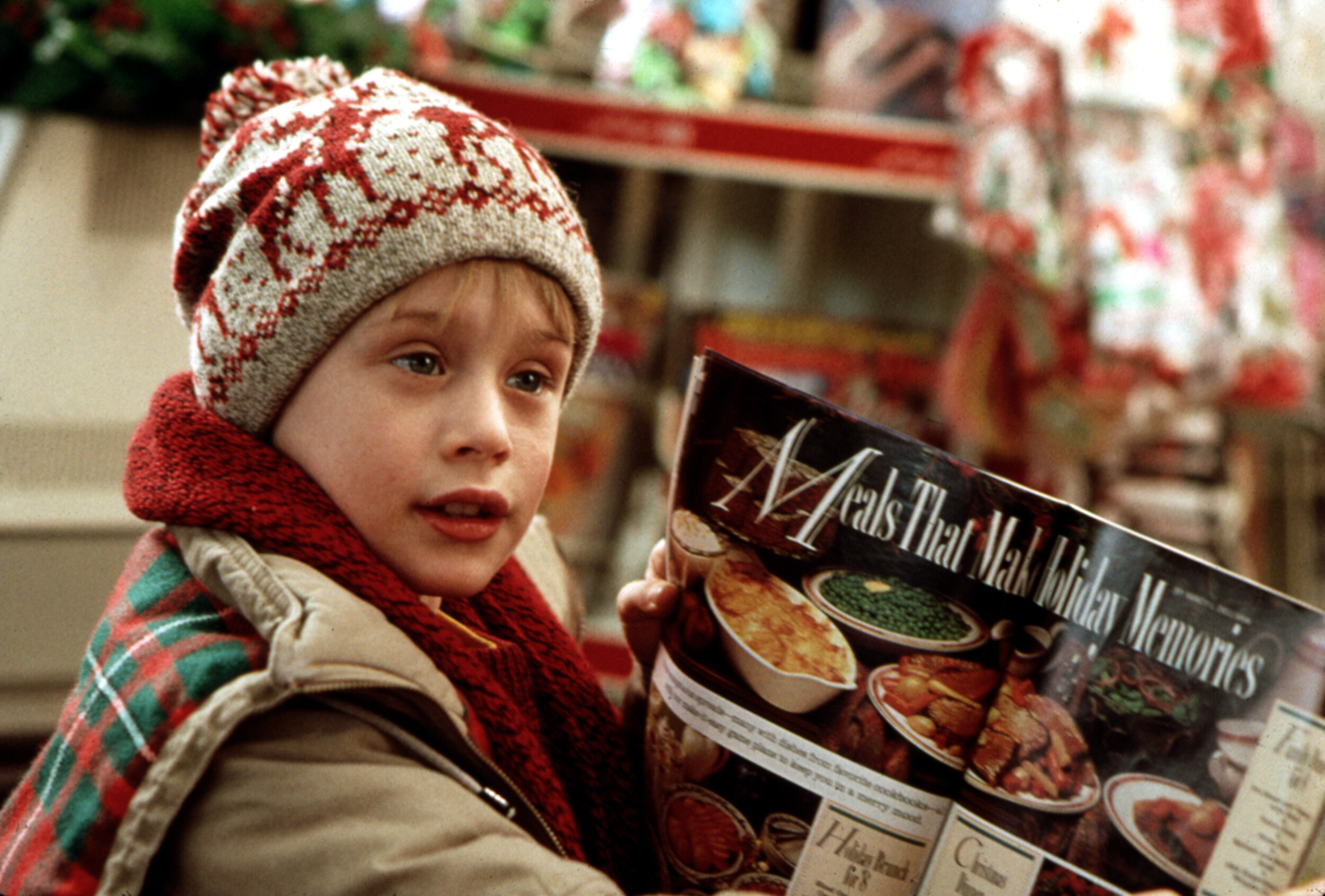
A classic that I have watched over and over again since I was a child. Back in the day, my sister and I would watch it on VHS tape probably every year, and we were utterly obsessed with Angels with Filthy Souls the fake black and white gangster movie that Kevin watches and would re-enact the scene over and over again (we still do sometimes). I also think the idea of being left home alone over Christmas spoke to my introverted soul, and I felt that I would totally enjoy it. But I guess every kid felt the same and as you grow up you realise half the joy of Christmas is the communal experience (RIP Christmas 2020).

The Nightmare Before Christmas - Stream on Disney+
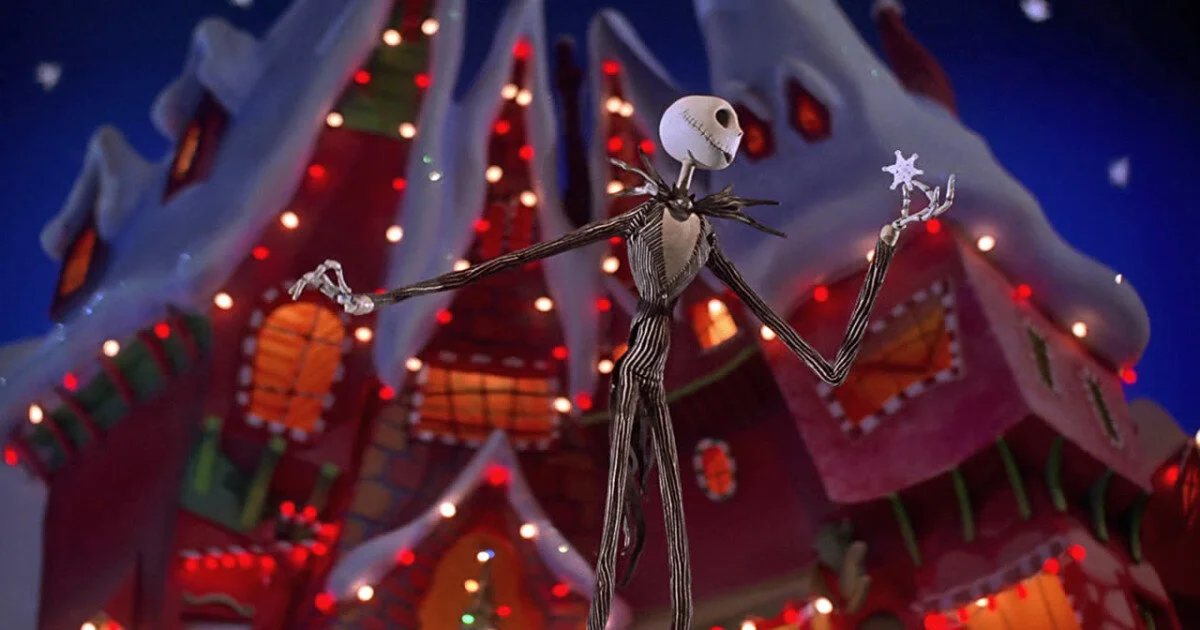
I have so much love for this stop-motion masterpiece and while some may argue that it is a Halloween movie I most ardently think that it is a Christmas film and one of the best at that. I think it captures the wonder and awe of Christmas in a very unique and charming way. I watch The Nightmare Before Christmas every year and will probably be watching it on Christmas Eve this year or maybe tonight who knows.

The Holiday - Stream on Netflix
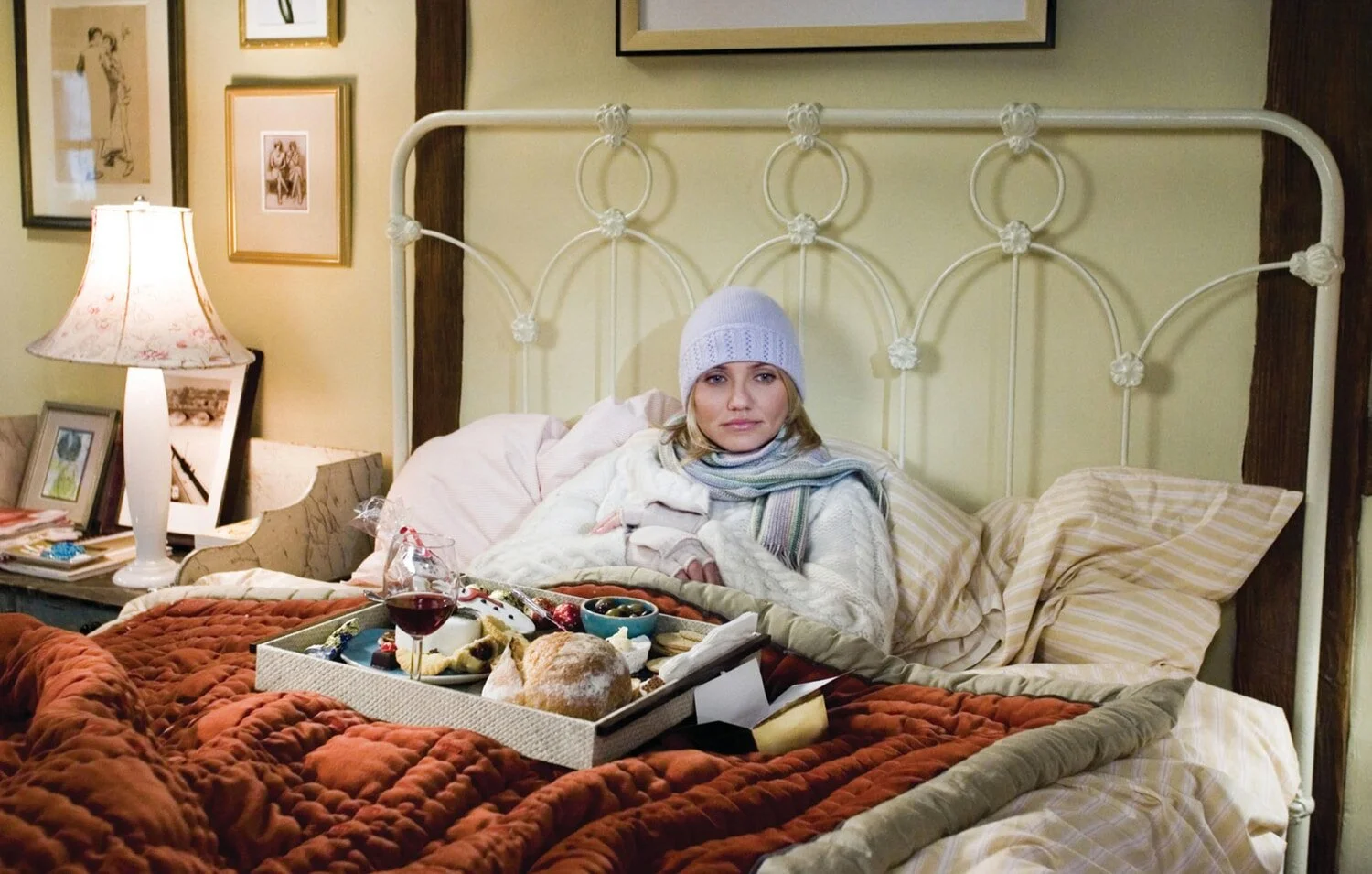
I am a sucker for a Rom-Com and The Holiday is my festive film of choice within that genre, I was umming and ahhing as to whether I should choose Love Actually instead, but I’m not so sure about that film anymore.

I feel like modern dissections make me realise that it’s somewhat problematic, but I still find some of it funny, like the scene with Rowan Atkinson pretentiously wrapping a gift.

But anyway, back to The Holiday, and while it’s not without its issues, I would be inclined to say that it has aged better than Love Actually. It’s light-hearted fluff, and tbh I would totally spend Christmas at Iris’s cute country cottage.

Carol - Stream on Amazon Prime
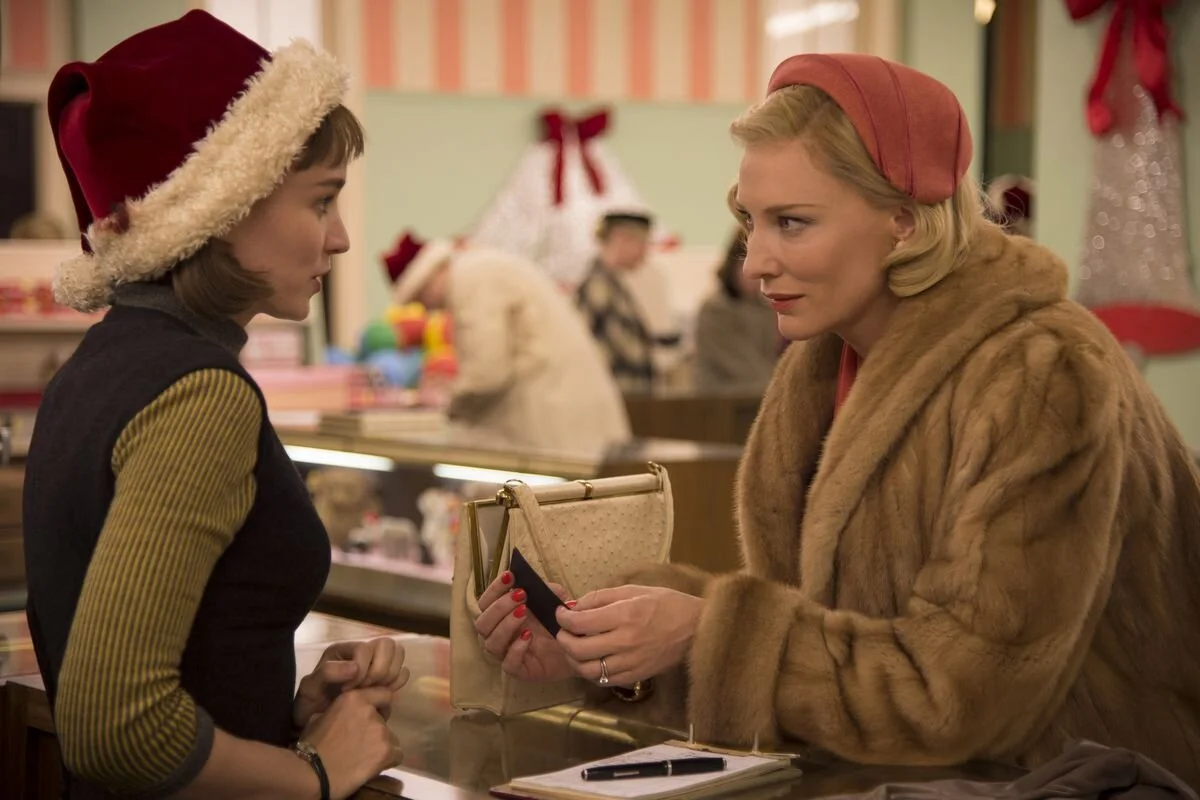
Carol is gorgeously shot, and the performances by Cate Blancett and Rooney Mara are stunning. I love the moment Carol and Therese meet at the department store.

Also, Therese reminds me of how I used to behave working in retail over Christmas, nervous and quoting product specifications because I read all the material on the items I had to sell. I also wrote a film review of Carol a few years back on my old blog that I copied over to this one (wow, 5 years, to be precise!).

Hjem til Jul (Home for Christmas) - Netflix Original TV Series
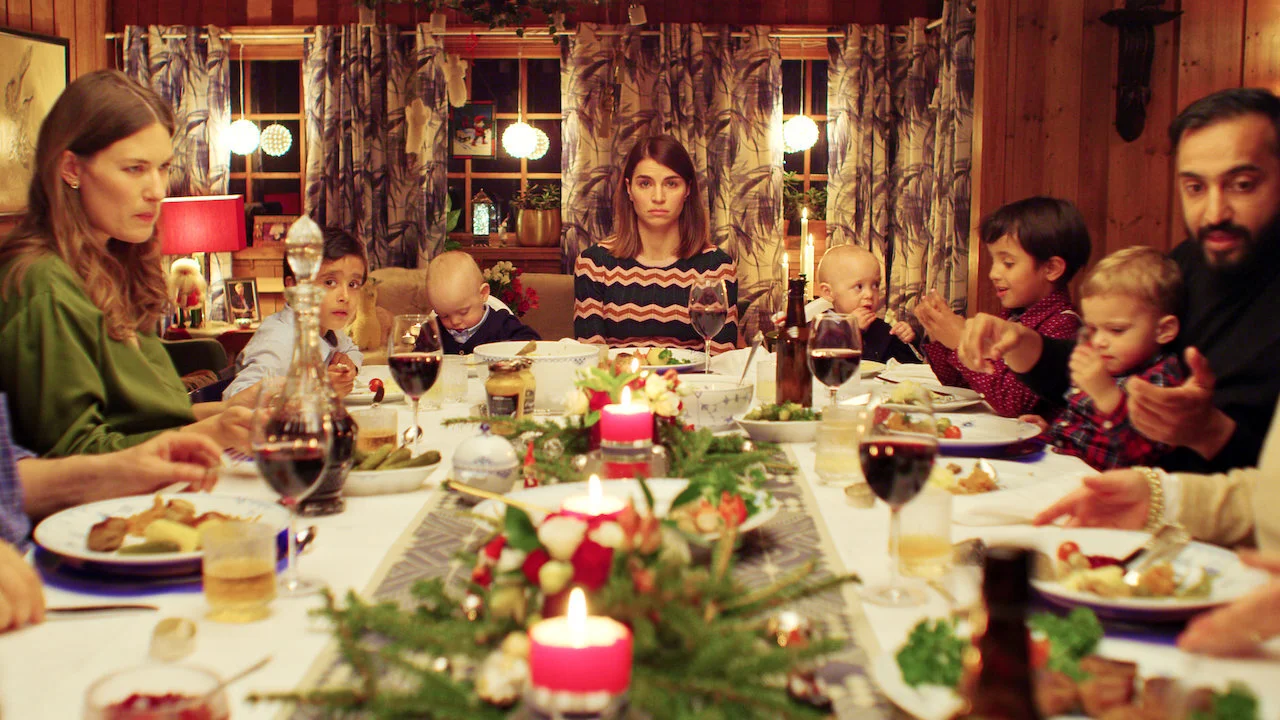
This Norwegian language TV series is a concoction of romantic comedy genre tropes in one delightfully festive package, and I can’t get enough!

Joanne is a single 30-year-old nurse who is quite ok with her relationship status until the festive season rolls around. At the first advent dinner, her family criticise her for not having a boyfriend and sit her next to her brother’s noisy twins. Hell on earth, essentially.

So in true rom-com heroine style, instead of resigning herself to a repeat come Christmas Day, Joanne announces that she has a boyfriend without thinking. Thus a mad 24-day hunt ensues as she tries to find the perfect man to bring home for Christmas.

Eyes Wide Shut - Available to rent on BFI Player & other platforms
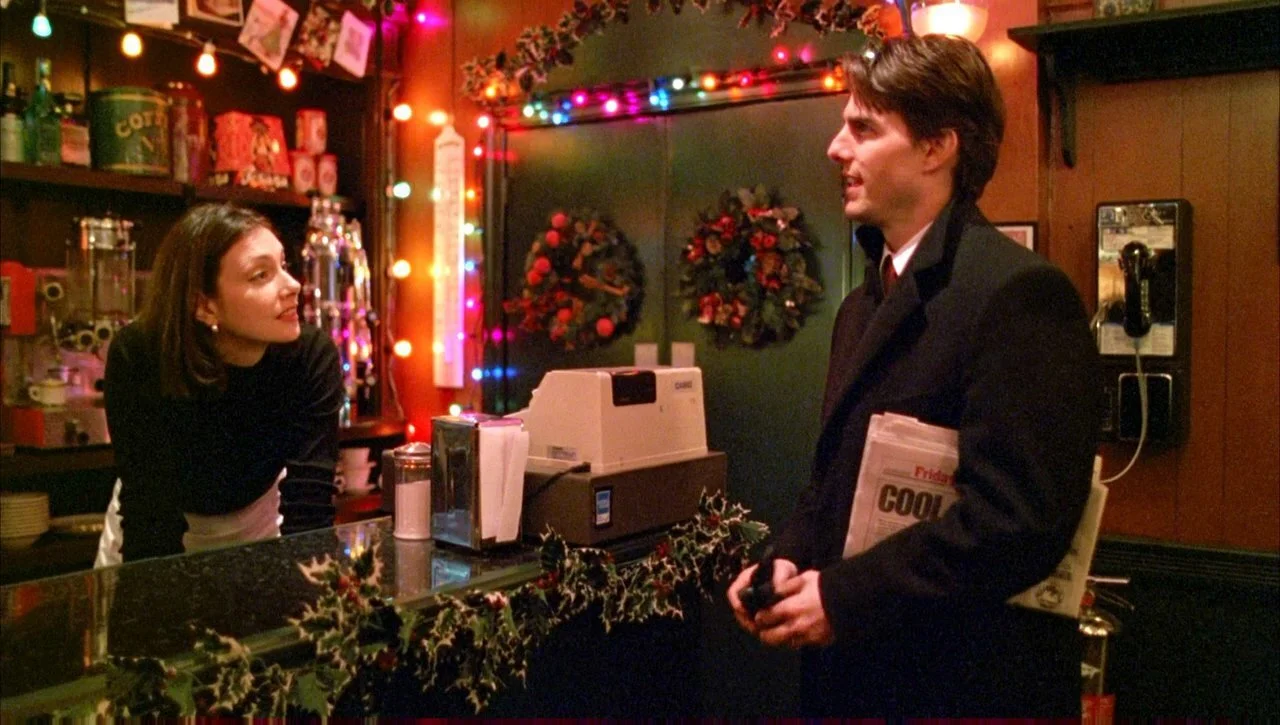
Am I clutching at straws to include this film in a Festive Favourites list? After all what says Christmas more than a secret high society sex cult?

Well, nothing other than the fact that Eyes Wide Shut takes place over the festive season, and I love Stanley Kubrick, so you can’t stop me from including it!

While it’s not your usual Christmas movie brimming with festive cheer or romance, it’s almost like a shot of reality, or perhaps it could even be called an Anti-Christmas film.

Film Critic Lee Seigel wrote:

“There is the fantasy of absolute gratification, cynically projected from every corner of the culture, and there is the reality of the cookie and the child and the homework and the companion you have chosen, and for whom, despite everything, you sit at home waiting. Compared with the everyday reality of sex and emotion, our fantasies of gratification are, yes, pompous and solemn in the extreme. That is why the film’s recurrent motif is of the Christmas tree. For desire is like Christmas: it always promises more than it delivers.”

This analysis really hits the nail on the head. When you delve deeper into the film, its themes of sexuality, ego, desire, and sexism really are complemented by the fantastic metaphor of Christmas. And, of course, it goes without saying that all those lights make for great cinematography.

Let me know in the comments what your Favourite Festive Film and TV picks are.

Thanatophobia + The Seventh Seal

The other night I had a panic attack. Again. I laid down in bed, switched the light off and hoped my brain would follow suit. It didn’t. Instead of the usual barrage of ideas for stories or random philosophical musings that often keep me up at night, a much more sinister thought settled in my mind. Death. You see death and the process of dying (and therefore ceasing to exist) always sets me off, I just can’t get my head around it and it freaks me out so much to the point that I have full-blown panic attacks about it.

One time at the doctors when I was younger and having an injection, I fainted for the first time. It was a slow blurring of the senses and an encroaching vignette of darkness. Naturally, I thought I was dying. I was completely terrified and I can remember struggling to breathe and shouting ‘I don’t want to die’ a few times before losing consciousness. Not my finest moment. After that episode, the fear of death went away for a few years, came back and retreated again like the tide. It had been quite a while since the last panic attack about death, but I guess with the whole pandemic situation and hearing and seeing death counts every single day the anxiety around it has understandably returned.

Sometimes I ask myself how does everyone function, why is the world not in a blind panic? People running around screaming and crying because of their guaranteed oblivion. Evolution. That’s why. Religion helps too. When I was a teenager I would read the New Testament desperate to believe in God so that I wouldn’t be so scared of death, but I never could quite convince myself. I’ve also tried Zen Buddhism too, that worked much better and for quite a long time I was at peace with the transience of life. In fact, I started looking at death as the final act in a play. Your prologue takes place while you're in the womb, the first act is…well who am I kidding Shakespeare has already covered this ground and he did it far better than I ever could.

The_Seventh_Seal__-e1519041096485.jpg

I recently watched Bergman’s The Seventh Seal to try and see another point of view on death, and perhaps because of the rather morbid connection it, a film about The Black Death has with the present pandemic. And I found it to be one of the best films I have ever seen. I mean, duh, it’s Bergman, but it really touched me in unexpected ways, and dare I say I actually felt soothed at the end when they danced over the hill with Death.

Moreover, in an earlier scene, Max von Sydow’s Knight shares strawberries and milk with two travelling actors, their young child and his squire. He tells them that he will cherish the purity of the moment as if it were a bowl of freshly milked milk. I found it to be a beautiful moment in a rather heavy film. It also made me think about how most of us spend our lives overlooking the small stuff and stressing over what has been and what will be rather than being present. Quite the Zen sentiment, and one I had forgotten to practise recently.

I dare to say this will be me when the time comes…

It is clear to me (and anyone who reads this) that my fear of death is getting in the way of me living my life. I touched on the idea of Fear, in general, having such an impact on me in the 27 Things I Have Learned in 27 Years post that I wrote recently, and I am trying to find ways to mitigate its effects on me. No easy feat really, it’s hard to unlearn habits that have driven your life for as long as you can remember.

If you're struggling with everyday things, anxiety and/or suicidal thoughts and need to talk to someone then get in contact with Samaritans (UK). They are there to help.

Korean Cinema: 도망친 여자 (The Woman Who Ran) Review

It’s safe to say that if a Hong Sang-soo film becomes available to watch in the UK I will jump at the chance to see it. Thankfully the London Korea Film Festival went digital this year as I was seriously weighing up whether it was worth risking a trip to the cinema to see his latest film.

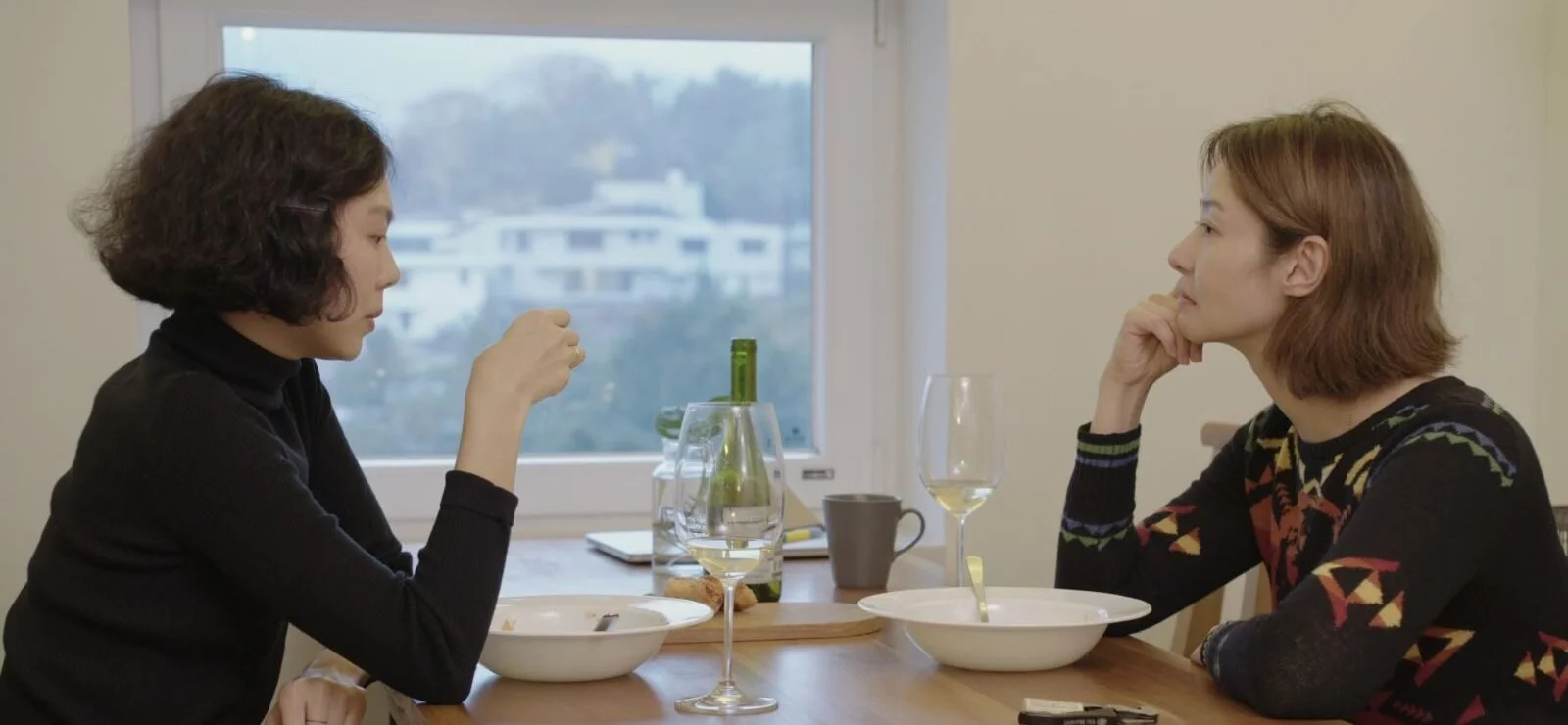
The Woman Who Ran stars Hong’s long time muse Kim Min-hee who once again gives a fantastically understated performance as Gam-hee a woman we follow through three encounters with three different friends. Something I absolutely love about Hong’s films is that they always feel like the lives on display exist in reality, that if the camera wasn’t rolling everything would happen that way regardless.

In the first segment, Gam-hee visits a friend at their semi-rural apartment complex. Here the characters discuss a variety of topics which randomly involve animals, from the prettiness of cow’s eyes that cause the two women to consider becoming vegetarian briefly (while eating meat) to the aggressive dominance a Cockerel has over the neighbour’s chickens and another neighbour who ardently wants the apartments stray cat community to be cut off from being fed, dubbing them ‘robber cats’.

What struck me with these conversations is that there is always more to them than what meets the eye, especially with the conversation about the Cockerel, which could easily be a metaphor for sexual harassment and abuse women face when a man aggressively expresses his dominance.

The Cat Man, on the other hand, can be seen as a symbol of the human ego; he declares that the people of the apartment complex are more important than the stray cats, while Young-soon’s roommate insists that the cats have every right to survive. Is Hong weaving a conversation on the climate crisis into the film? Perhaps, that’s the impression I got anyway.

‘People in love should always stick to each other’

It soon becomes apparent that conversations with men are shot from behind; why does Hong make the men mainly faceless? Exposing them just for a few mere moments as they arrive or depart the destination of the conversation.

Another thing to consider is that each man is causing problems for the women they are conversing with. Cat Man tells Gam-hee’s hosts that they need to stop feeding stray cats, a young poet stalks Gam-hee’s second friend after a drunken one-night stand and Gam-hee herself is confronted by her self-important ex.

Gam-hee’s husband is mentioned several times and is actually faceless as he never appears in the film, but his view that ‘people in love should always stick to each other’ dominates Gam-hee’s life (as she is only now away from him after five years of marriage).

In this way, it feels like Hong is showcasing women’s lives with a very obvious #metoo sentiment; he is revealing how some men behave towards women and how things are made far more complicated for them because of the men they encounter.

This is all done with an obvious sense of humour, the women are all smart and engage in varied conversations whereas the men all come off rather foolish. And of course, this wouldn’t be a Hong Sang-soo film if he didn’t manage to weave in his usual musings of art and artists which is always a pleasure to watch.

 
IMG_0256.jpg
 

Korean Cinema: 버티고 (Vertigo) Review

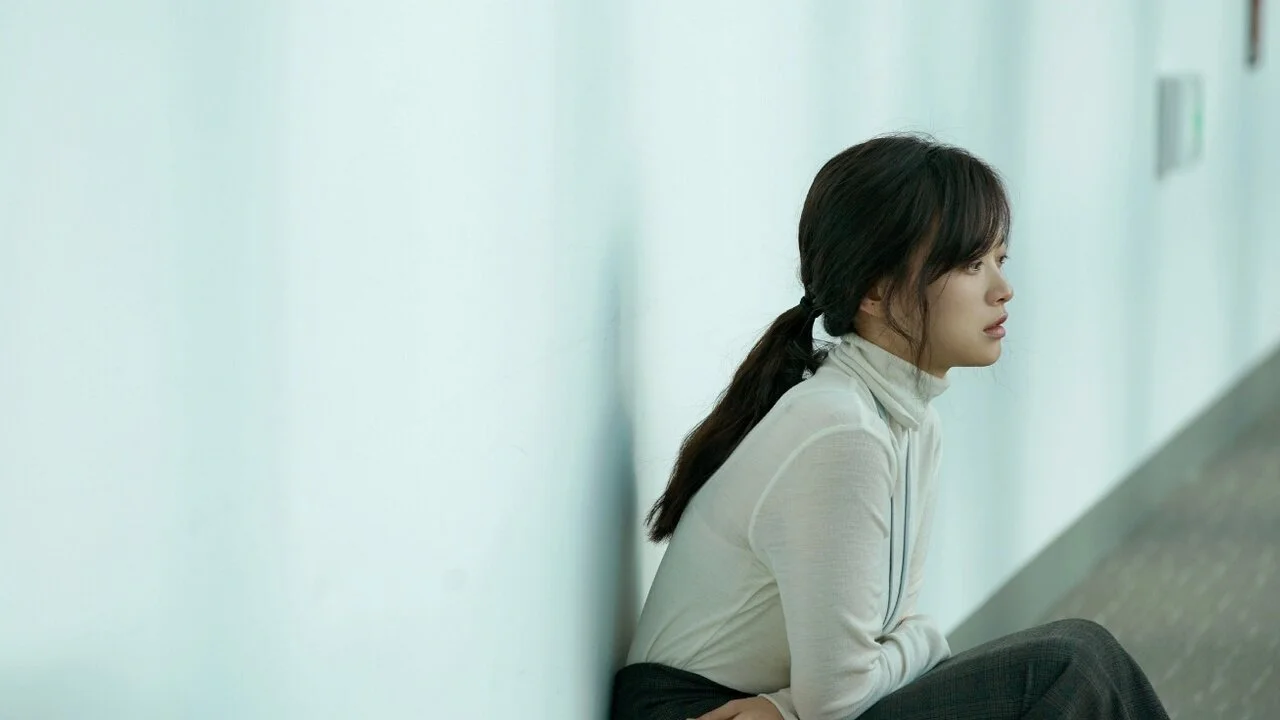
Directed by Jeon Gye-soo, Vertigo explores Seo-young’s life in corporate Korea. It’s a dizzying world of uncertainty where simply being seen wearing a hearing aid could lose her a contract renewal. Seo-young’s secret affair with her handsome and popular boss is also another risk. Soon her life begins to spiral out of control when her inner ear problem causes her to start experiencing Vertigo in her high-rise office.

 I watched this film as part of the London Korean Film Festival, which went digital this year as a consequence of the COVID-19 pandemic. This was a kind of stroke of luck for me as I have wanted to see Vertigo for quite a while, and I wouldn’t have been able to see it at its originally planned screening in London.

Narratively the central focus of the film is on Seo-young, but Vertigo also explores two men and their connection to her. Seo-young is very much in love with her boss Lee Jin-soo (Teo Yoo from the fantastic Russian film Leto!), which is displayed through her looking at him longingly while he religiously works and how she seeks physical contact with him.

His distance and unavailability are perhaps part of the draw, but it is clear she craves something more from the relationship. Kwon-Woo a window cleaner, is a point of fascination for Seo-young, he is literally and metaphorically on the outside looking in. He cleans windows suspended from a rope and can observe corporate meetings and lunchtime rituals, but he is also poor and of different social standing, and his interest in the melancholy Seo-young becomes a focal point in his life.

There is one moment where he writes Cheer Up on the windows in soap suds, which causes Seo-young to cry (and I must admit I did too!). However, one must also note that while Kwon-woo had the best of intentions his behaviour throughout the film was questionable and actually stalking.

Beautifully shot with a minimalistic colour palette Vertigo really stands out when audio and visuals vividly collide to bring Set-young’s vertigo to life. Visually we experience the disorientation, the panic and the off-kilter feeling through the use of a SnorriCam (essentially, the camera is mounted onto the actor, so it appears that they don’t move while everything around them does). The sound engineering in these moments mimics tinnitus with the high pitch ringing and the muffling of voices which I found to be really powerful, and as I have tinnitus myself rather realistic too.

 
IMG_9827.jpg
 

While Vertigo starts off strong towards the end the film becomes rather over the top and a bit too melodramatic for my liking (though it does make for a spectacular cinematographic moment), but overall it was a beautiful film to watch and an interesting portrait of a woman on the brink. There were also some important moments throughout the film that highlighted social issues like sexual harassment and prejudices within the workplace.

Norwegian Cinema: Thelma film Review

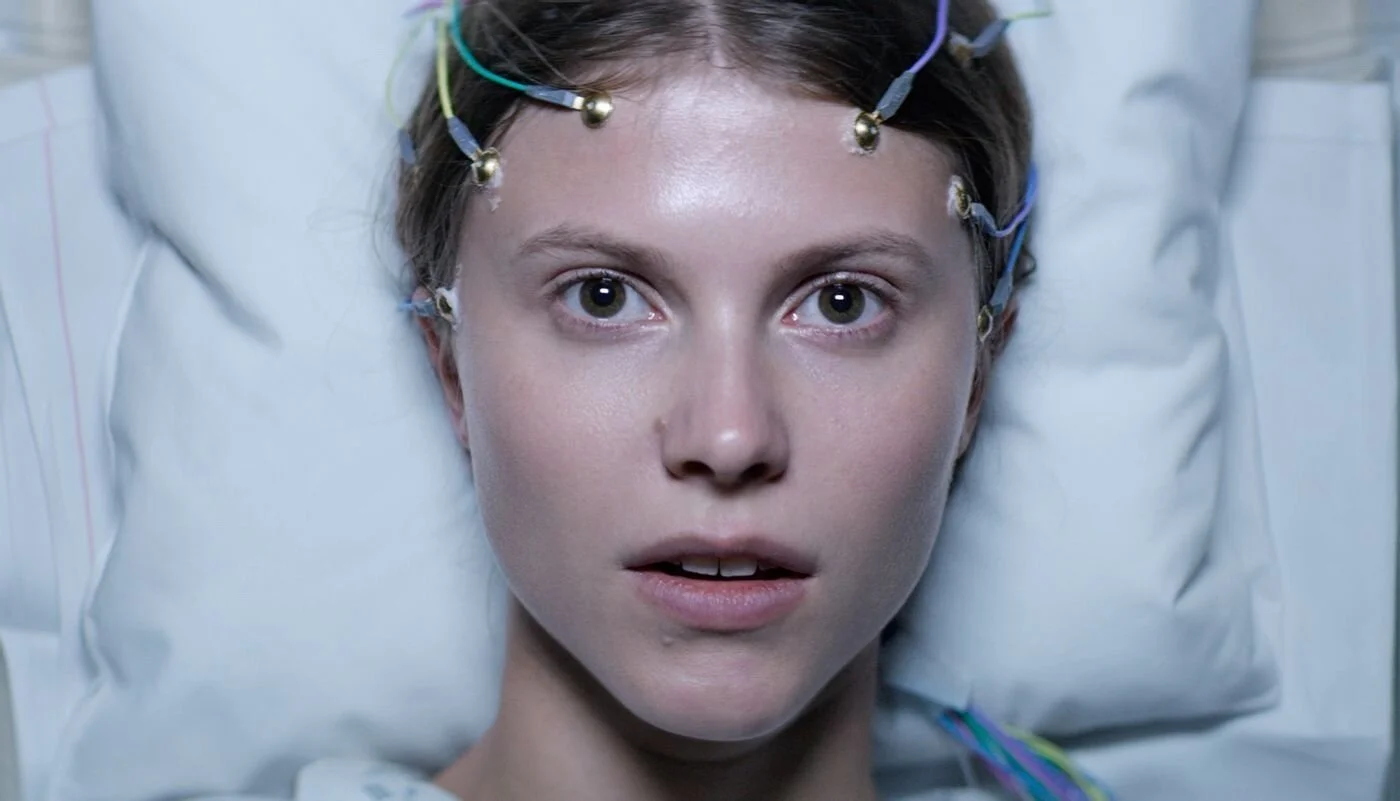
Thelma is a supernatural thriller directed by Joachim Trier and stars Eili Harboe in the titular role. This Norwegian film is a fresh and complex take on “superhero” powers that navigates themes of sexuality, trauma, religion and self-discovery.

The film’s eponymous heroine Thelma is able to make things happen; if she wants something, she can manifest it or quite terrifyingly, make it disappear. Narratively, the exploration of such a supernatural power is rich ground for storytelling, and that’s exactly what Trier has achieved here.

Thelma is a beautifully dark coming-of-age story about a sheltered young woman discovering her identity both as an individual away from her overbearing family and in terms of her sexuality. While her dangerous gift could have just become a metaphorical symbol of her otherness or a delusion born out of repressed sexuality, Trier doesn’t settle for a cinematically metaphoric storyline only. This supernatural gift is real and has very tangible consequences in the film, and a flashback that unfolds alongside the main action of the narrative is rather intense and harrowing and brings the film to a crescendo before the final act.

I also liked how in an interview, Trier said that he wanted to make a film that pays tribute to all the people who feel like “freaks” who don’t fit in and still try to find acceptance in that fact (VG, 2017). And at its most basic, that is exactly what Thelma is, a freak finding her place.

“I feel angry with you, God. Why are you doing this to me? What do you want?”

Visually, Thelma is stunning. There are lingering shots of nature, erotically charged visuals involving snakes, a very Bergmanesque nod to Persona and stunning moments of VFX that bring the consequences of Thelma’s ability to life.

There is also a really clever visual at the beginning and end of the film where the camera pans in and later away from the crowded Frederikkeplassen (the centre of the UiO Blindern Campus), illustrating the sense of one person being lost in a sea of people.

Another sequence that I found to be particularly beautiful was at the Oslo Opera house; I love the way in which the ballet performance on stage melted into shots of Thelma on the brink of an anxiety-induced seizure. Both elements complimented each other and created frenetic energy that really built up the mounting tension of a rising panic attack.

The colour palette used in Thelma is also rather beautiful, as dark, brooding and cold colours are employed for the most part. However, there are moments where a rich blood-red or lush natural green pierces the shot; these snaps of intense colours symbolise danger and transgressing against the norm and are often seen when Thelma has no control over her ability.

4 images from Thelma film. One of Thelma lying on grass, another with a snake coming out of her mouth, a third which is Bergman like (Persona) with two faces overlapping each other and the 4th is a boat on fire